
Worldbuilding Adventures: Encourage Your Kids' Imagination
Explore the power of worldbuilding to inspire your child's creativity. This article offers insights into nurturing imagination and storytelling skills through creative adventures.
In a world where screens and gadgets often steal the spotlight, fostering your child's imagination can seem like a daunting task. However, there's a magical tool at your disposal that can ignite creativity and open new realms of possibility for your young ones: worldbuilding. Much like a painter with a blank canvas, children can use worldbuilding to craft entire universes, filled with vibrant characters and thrilling adventures. This not only enhances their storytelling skills but also nurtures critical thinking and problem-solving abilities.
Worldbuilding adventures serve as a portal to endless creativity, where the only limit is your child's imagination. By encouraging your kids to dive into these creative activities, you're providing them with a unique opportunity to explore and express themselves in ways they might not have imagined possible. This article will guide you through the essentials of worldbuilding with your kids, offering practical tips and exercises to make storytelling a delightful and educational experience.
Why Worldbuilding Matters for Kids' Imagination
Unleashing Creativity
Worldbuilding is a playground for creativity. It allows children to construct fictional worlds, which can be as detailed or abstract as they wish. This process encourages them to think outside the box, explore new ideas, and experiment with different storytelling elements.
Enhancing Problem-Solving Skills
When children create worlds, they inevitably encounter problems to solve. How does the society in their world function? What challenges do characters face? By addressing these questions, kids develop problem-solving skills, learning to think critically and creatively.
Building Emotional Intelligence
Through worldbuilding, children can explore various emotions and experiences. As they create characters and narratives, they learn to empathize with different perspectives, enhancing their emotional intelligence and understanding of the world around them.

Getting Started with Worldbuilding
Begin with a Brainstorm
Start your child's worldbuilding journey with a brainstorming session. Encourage them to jot down any ideas that come to mind, no matter how wild or silly they may seem. This free-flowing creativity is the seed from which their world will grow.
- Prompt Questions: Ask questions like "What kind of world do you want to create?" or "Who lives in this world?" to jumpstart their imagination.
- Mind Mapping: Use a mind map to organize ideas visually. This can help children see the connections between different elements of their world.
Establish the Basics
Once your child has a collection of ideas, it's time to establish the basics of their world. These foundational elements will serve as the framework for their storytelling adventures.
- Setting: What is the environment like? Is it a magical forest, a bustling city, or a distant planet?
- Inhabitants: Who are the characters in this world? Are they humans, animals, or mythical creatures?
- Society and Culture: How does society function? What are the customs, traditions, and laws?
Create a Story Arc
With the basics in place, guide your child in developing a story arc. This will help them structure their narrative and provide a sense of direction as they explore their world.
- Conflict: Every great story needs a conflict or challenge. What obstacles do the characters face?
- Resolution: How do the characters overcome these challenges? What lessons do they learn?
Practical Worldbuilding Exercises
Map-Making Adventure
Encourage your child to draw a map of their fictional world. This can be a fun, artistic exercise that brings their ideas to life visually. 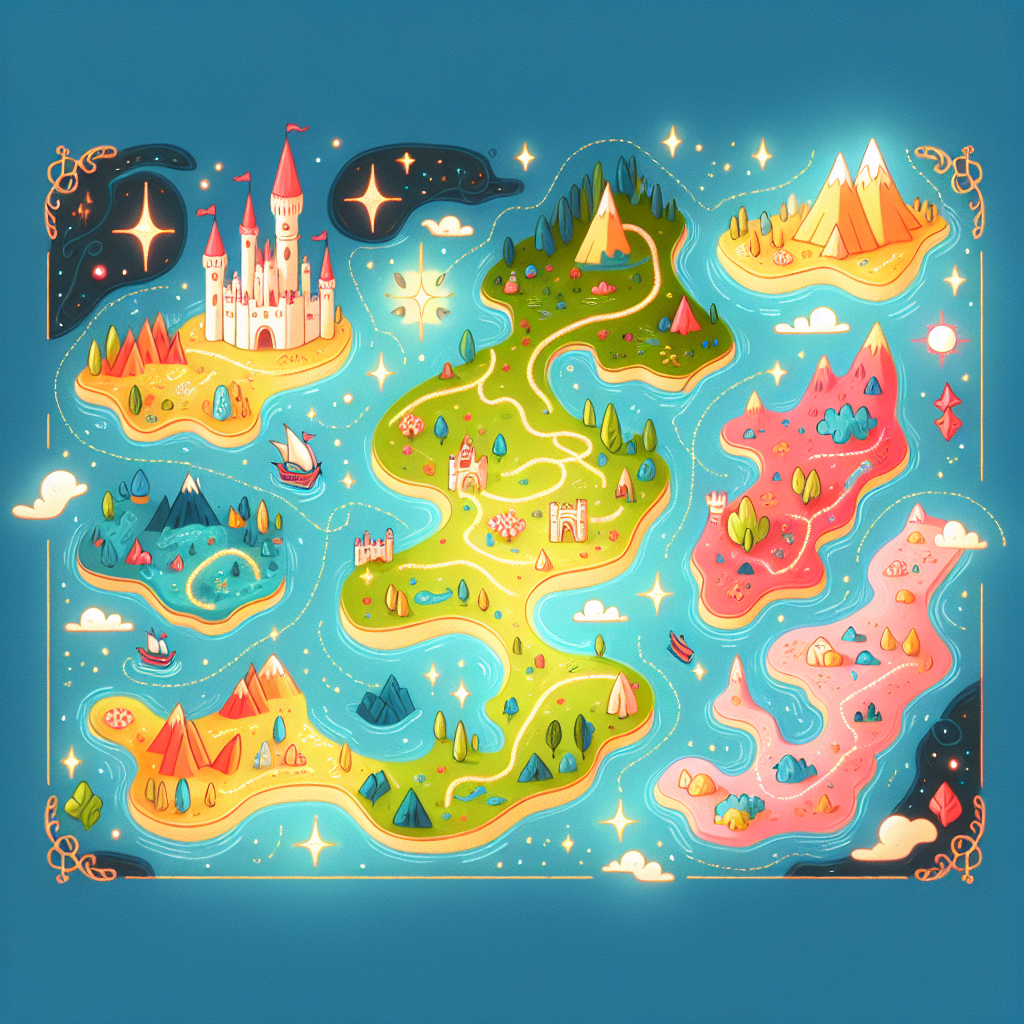
- Landmarks and Locations: Ask them to include significant locations that are important to the story.
- Journey Path: Have them plot a journey that characters might take through this world.
Character Development Workshop
Developing characters is a crucial part of worldbuilding. Encourage your child to create detailed profiles for their characters, considering aspects like personality, background, and goals. For more on this, check out our article on Developing Characters: A Fun Workshop for Kids.
- Character Sketches: Let them draw their characters or use AI tools to bring their characters to life.
- Role-Playing: Engage your child in role-playing exercises to explore how their characters might react in various situations.
Incorporate AI Tools
Incorporating technology can add a modern twist to worldbuilding. Explore our guide on AI Tools for Kids: How Technology Can Spark Creativity to discover how AI can enhance your child's creative writing skills.
- Writing Prompts: Use AI-generated prompts to inspire new story ideas.
- Collaborative Writing: Leverage AI to help your child write their first story, offering suggestions and improvements along the way.
Encouraging Consistency and Growth
Set Regular Story Time
Consistency is key to nurturing creativity. Set aside regular time for your child to work on their worldbuilding projects. This could be a weekly "story hour" where they share their latest developments or write new chapters.
Celebrate Progress
Celebrate your child's progress by sharing their stories with family and friends. This not only boosts their confidence but also encourages them to continue refining their skills. Consider using educational technology to create digital versions of their stories for wider sharing, as discussed in Using Educational Technology to Boost Your Child's Writing Skills.
Encourage Exploration
Encourage your child to explore different genres and styles. Whether it's fantasy, sci-fi, or historical fiction, experimenting with various genres can broaden their storytelling abilities and spark new ideas.
Conclusion: Ignite the Spark of Imagination
Worldbuilding is a powerful tool for cultivating your child's imagination and creativity. By engaging in these adventures, your child can develop valuable skills that extend beyond storytelling into critical thinking, empathy, and problem-solving.
As parents and educators, your role is to nurture this creative spirit, providing the tools and encouragement your child needs to explore and express their unique stories. Share this article with others who might benefit from these insights, and let's work together to inspire the next generation of storytellers.
For more creative writing exercises and activities, explore our resources on Creative Writing for Kids: 5 Fun Exercises to Try Today and Storytelling as a Tool for Learning: Engage Your Child. Let's embark on these worldbuilding adventures and watch our children's imaginations soar!
Call-to-Action: If you found this article helpful, share it with fellow parents and educators. Follow our site for more tips on nurturing creativity and storytelling skills in children. Let's inspire young minds to create worlds beyond their wildest dreams!