
Creative Writing Prompts to Boost Kids' Imagination
# Creative Writing Prompts to Boost Kids' Imagination In today's digital age, where screens dominate much of a child's day, nurturing the imagination through creative writing is more important than e
In today's digital age, where screens dominate much of a child's day, nurturing the imagination through creative writing is more important than ever. Creative writing prompts provide a structured yet open-ended way for children to explore their thoughts, emotions, and ideas. These prompts can ignite a love for storytelling, enhance writing skills, and boost overall creativity. Whether you're a parent looking to engage your child in a fun learning activity or a teacher aiming to develop your students' writing abilities, creative writing prompts are an invaluable tool.
A child's imagination is a powerful engine for creativity, and writing serves as the perfect outlet for expression. Through storytelling, children learn to articulate their thoughts, comprehend different perspectives, and develop empathy. This article will guide you through various creative writing prompts designed to spark your child's imagination and writing prowess. Let's dive into the world of words and wonder!
The Importance of Creative Writing for Kids
Fostering Creativity and Imagination
Creative writing is more than just putting words on paper; it's about diving into the depths of creativity and bringing new worlds to life. By engaging in regular writing exercises, children can cultivate their imagination, leading to innovative thinking and problem-solving skills. Writing encourages kids to explore "what if" scenarios, allowing them to dream big and think creatively.
Enhancing Writing Skills
Structured writing exercises provide children with the opportunity to practice grammar, vocabulary, and sentence structure in an enjoyable way. Creative writing prompts offer a playful environment for kids to experiment with language, enhancing their writing skills without the pressure of academic assignments. According to Creative Writing for Kids: 5 Fun Exercises to Try Today, these activities can significantly improve a child's ability to communicate effectively.
Emotional and Social Development
Writing allows children to express their emotions and thoughts freely. Through storytelling, they can navigate complex feelings and understand different perspectives. This practice promotes emotional intelligence and empathy, crucial components of social development. As discussed in The Power of Storytelling: Learning Through Imagination, storytelling is an excellent tool for teaching children about the world and themselves.
Creative Writing Prompts to Ignite the Imagination
Adventure and Fantasy Prompts
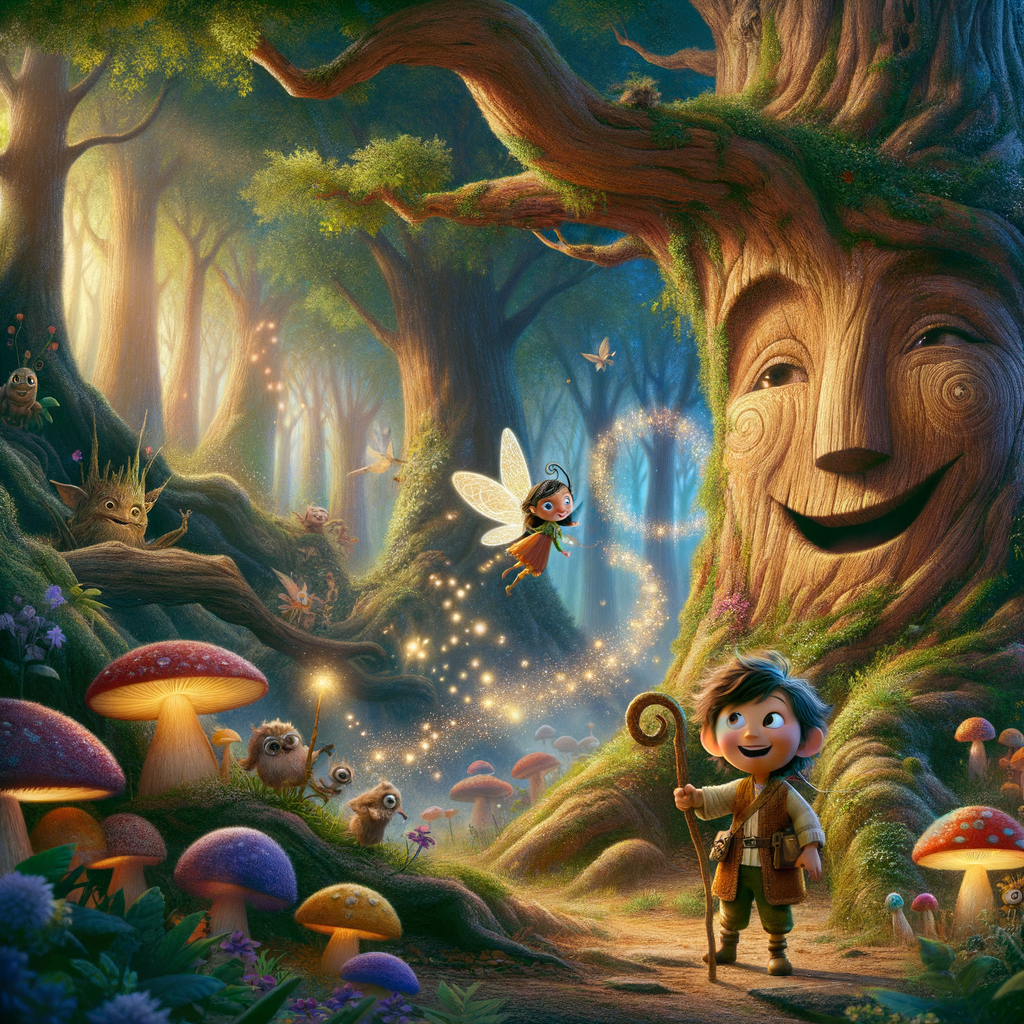
The Magical Forest: Imagine you stumble upon a hidden forest where every tree tells a story. Write about the adventures you would have and the creatures you might meet.
Time-Traveling Explorer: You find an ancient watch that lets you travel through time. Describe your journey to a historical event or future world. What do you see, and who do you meet?
The Secret Door: One day, you discover a secret door in your school that leads to another dimension. Write about what you find on the other side and how you navigate this new world.
Sci-Fi and Technology Prompts
AI Adventure: Imagine your best friend is an AI robot who loves adventures. Write a story about the exciting experiences you share together.

Space Mission: You've been chosen for a special mission to Mars. Describe your spaceship, the crew, and the discoveries you make on the red planet.
For more ideas on how technology can spark creativity in children, check out AI Tools for Kids: How Technology Can Spark Creativity.
Mystery and Suspense Prompts
The Mysterious Package: You receive a package with no return address. Inside, there's a map and a key. Write about the mystery that unfolds as you follow the map's clues.
The Disappearing Act: One by one, your classmates start disappearing during a school play rehearsal. Write about your quest to uncover the truth and bring them back.
Everyday Life with a Twist
The Talking Pet: One morning, you wake up to find that your pet can talk. Write a day in the life with your newfound talking companion.

The Unexpected Talent Show: Your town organizes an impromptu talent show with only two hours to prepare. Describe your act and the surprising talents of other participants.
Implementing Writing Prompts in the Classroom
Creating a Conducive Environment
To maximize the effectiveness of writing prompts, it's essential to create an environment that encourages creativity. Allow children to choose their favorite prompt, give them ample time to write, and ensure they have access to necessary materials, such as notebooks, pens, and art supplies for illustrations.
Encouraging Peer Sharing
Sharing stories with peers can boost confidence and provide valuable feedback. Organize sessions where children can read their stories aloud, fostering a supportive community of young writers. This practice not only improves public speaking skills but also encourages active listening and constructive criticism.
Integrating Technology
Incorporating technology, such as AI writing assistants, can further enhance the creative writing process. For insights on how AI can support your child's writing journey, explore How to Use AI to Help Kids Write Their First Story and How AI Can Enhance Your Child's Creative Writing Skills.
Tips for Parents and Teachers
Be Supportive and Encouraging
Celebrate creativity by praising effort, originality, and expression. Avoid focusing solely on grammar or spelling mistakes; instead, emphasize the joy of storytelling.
Make Writing a Routine
Incorporate writing into daily or weekly routines to help children develop a consistent practice. Short, fun exercises can make writing a natural and enjoyable part of their lives. For quick activities, see 5-Minute Activities to Improve Reading Comprehension.
Provide Diverse Prompts
Offer a variety of prompts to cater to different interests and inspire diverse storylines. This approach ensures that every child finds a topic they are passionate about.
Conclusion
Creative writing is a gateway to endless imagination and expression for children. By using engaging writing prompts, parents and teachers can nurture a child's love for storytelling, enhance their writing skills, and support their emotional and social development.
So, gather your little writers and embark on a journey filled with imagination and creativity. Encourage them to explore, create, and share their unique stories with the world. Share this article with fellow educators and parents to spread the joy of creative writing and inspire the next generation of storytellers. 
For more resources and tips on fostering creativity in children, don't forget to explore related articles and share your experiences on social media. Let's inspire a world of young, imaginative minds together!
Frequently Asked Questions
What are the best creative writing prompts for kids?
The best creative writing prompts for kids are those that encourage imaginative thinking and are age-appropriate. Examples include asking them to write about a day in the life of their favorite animal, inventing a new holiday, or describing a magical world they would like to visit. These prompts can help stimulate their creativity while keeping the writing process enjoyable.
How can I spark imagination with writing prompts?
To spark imagination with writing prompts, choose scenarios that are both relatable and fantastical. Encourage kids to explore 'what if' situations, such as 'What if you could talk to your toys?' or 'What if you discovered a hidden door in your house?' Providing a fun twist can ignite their creativity and make writing feel like an exciting adventure.
What are some effective story prompts for young writers?
Effective story prompts for young writers should be simple yet intriguing, allowing room for creativity. For instance, prompts like 'Imagine you find a treasure map in your backyard' or 'Write about a day when everyone in your town suddenly starts to float' can inspire them to think outside the box. These prompts encourage storytelling in a fun and engaging way.