
10 Fun Classroom Activities to Boost Writing Skills
# 10 Fun Classroom Activities to Boost Writing Skills Writing is an essential skill that forms the foundation of communication and expression. For children, developing strong writing skills can open
Writing is an essential skill that forms the foundation of communication and expression. For children, developing strong writing skills can open the door to creativity and academic success. However, teaching writing in the classroom doesn't have to be a tedious task. Incorporating fun and engaging activities can not only enhance students' writing abilities but also spark their interest in storytelling and creative expression.
In this article, we will explore ten exciting classroom activities designed to boost writing skills in students. These activities are tailored for teachers and education professionals looking to introduce innovative and enjoyable methods to enhance literacy and creative writing. Whether you are working with early learners or older students, these activities can be adapted to suit various age groups and skill levels.
1. Story Starters
How It Works
Story starters are a fantastic way to kick off a writing session. Provide students with intriguing opening lines or scenarios and let their imaginations take the lead. This exercise encourages students to think creatively and can help prevent writer's block.
Examples
- "As the clock struck midnight, a mysterious shadow appeared at the window..."
- "In a land where animals could talk, a young rabbit discovered an unusual map..."
- "The old library held a secret that no one had dared to uncover for years..."
Tips for Teachers
- Encourage students to finish their stories within a set time limit to promote quick thinking.
- Allow students to share their stories with the class to build confidence and public speaking skills.
- Consider using AI tools to generate unique story starters, as discussed in AI Tools for Kids: How Technology Can Spark Creativity.

2. Journaling
Daily Journals
Journaling is a versatile activity that can be tailored to any age group. Encourage students to keep a daily journal where they can write about their thoughts, dreams, and daily experiences. This practice helps students articulate their feelings and enhances their writing fluency.
Themed Journals
Introduce themed journal prompts to add variety. For instance, "If I were invisible for a day..." or "My favorite place in the world is..."
Tips for Implementation
- Dedicate a specific time each day for journaling to establish a routine.
- Allow students to decorate their journals to make them personal and engaging.
- Use technology to enhance journaling, exploring topics like How AI Can Enhance Your Child's Creative Writing Skills.
3. Writing Relay
How It Works
Divide the class into small groups and assign each group a story topic. Each student writes a paragraph before passing the story to the next student, who continues where the last left off. This activity encourages teamwork and collaborative storytelling.
Benefits
- Develops narrative continuity and coherence skills.
- Fosters creativity as students build on each other's ideas.
- Enhances listening and comprehension skills as students must pay attention to preceding paragraphs.
Practical Example
Organize a "writing relay race" where each group competes to create the most coherent and creative story within a given time.

4. Character Creation
Workshop Format
Host a character creation workshop where students design their own characters for stories. This activity can be integrated with lessons from Developing Characters: A Fun Workshop for Kids.
Steps for Success
- Have students brainstorm character traits, backgrounds, and motivations.
- Use visual aids, such as character sheets or drawing materials.
- Encourage students to write short stories featuring their characters.
Enhancing the Activity
Consider incorporating technology, like AI character generators, to inspire students with unique character ideas.
5. Poetry Slam
Engage Through Poetry
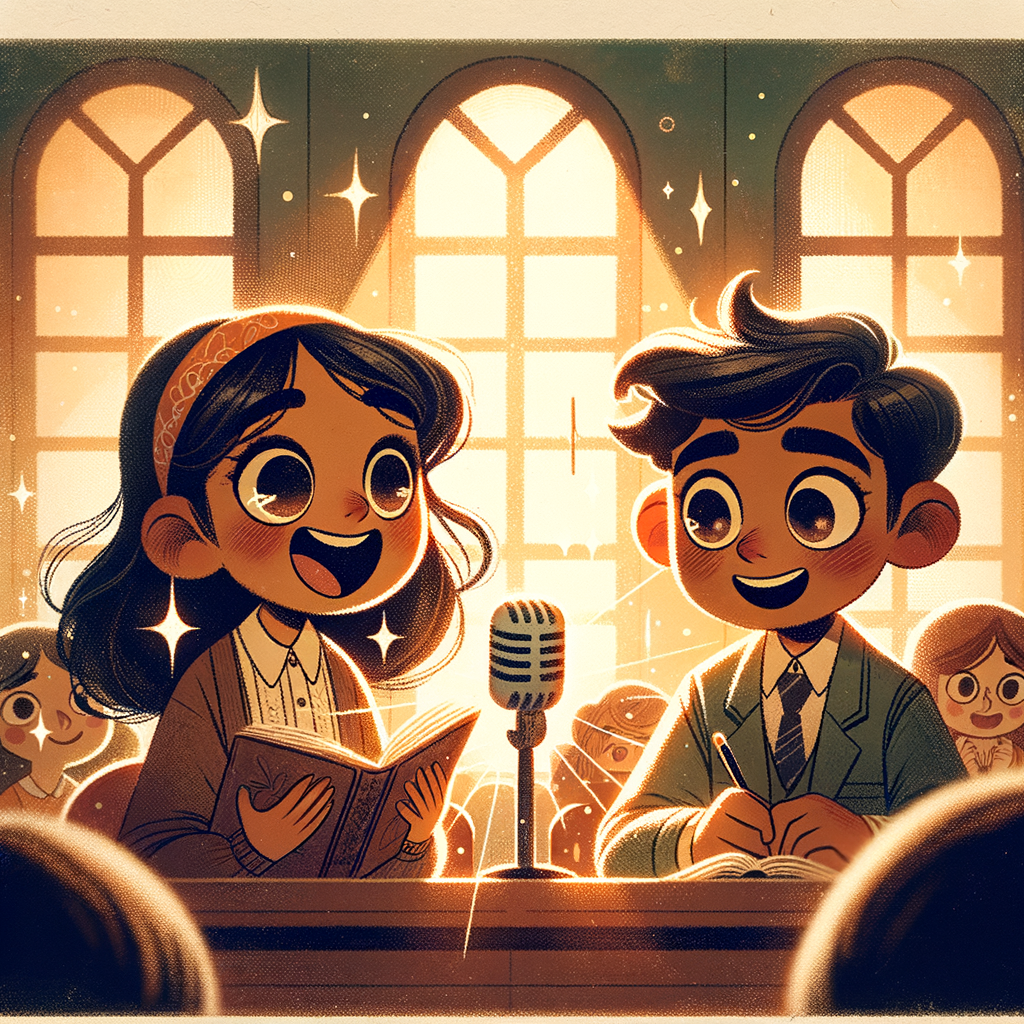
Host a classroom poetry slam where students write and perform their own poems. This activity not only boosts writing skills but also enhances public speaking and self-expression.
Creating a Supportive Environment
- Encourage students to explore different poetic forms, such as haikus, limericks, or free verse.
- Set a positive and encouraging tone to ensure all students feel comfortable sharing their work.
- Offer constructive feedback and celebrate creativity.
6. Writing Prompts with a Twist
How It Works
Provide students with unique writing prompts that incorporate unexpected elements or challenges. For example, "Write a story without using the letter 'e'" or "Describe a day in the life of a raindrop."
Why It Works
- Encourages creative problem-solving and lateral thinking.
- Expands vocabulary as students find alternative words and descriptions.
- Adds an element of fun and challenge to writing exercises.
Integrating Technology
Explore how educational technology can complement this activity by visiting Using Educational Technology to Boost Your Child's Writing Skills.
7. Story Mapping
Visualizing Stories
Story mapping involves creating visual representations of a story's plot, characters, and setting. This technique aids in organizing thoughts and understanding story structure.
How to Implement
- Use graphic organizers or mind maps to outline story elements.
- Collaborate with students to map out popular stories as examples.
- Encourage students to create their own maps for original stories.
Benefits
- Enhances comprehension and retention of story elements.
- Supports visual learners by providing a clear structure.
8. Dialogue Writing
Exercise Focus
Practice writing dialogue by creating short scenes or conversations between characters. This activity focuses on developing realistic and engaging dialogue.
Steps to Success
- Discuss the importance of dialogue in revealing character traits and advancing the plot.
- Provide examples of effective dialogue from literature or media.
- Encourage students to experiment with different tones and styles.
Additional Resources
For further exploration of storytelling techniques, consider The Power of Storytelling: Learning Through Imagination.

9. Picture Prompts
Visual Inspiration
Use pictures or illustrations as prompts for writing exercises. Students can create stories based on what they see, using visual elements as a starting point.
How to Use
- Select a variety of images depicting different scenes, people, or objects.
- Ask students to write a story or description based on the chosen image.
- Encourage creativity by allowing students to interpret images in diverse ways.
Enhancing Engagement
Integrate discussions on how visual storytelling can enhance writing skills, as seen in Storytelling as a Tool for Learning: Engage Your Child.
10. Word Games and Puzzles
Interactive Learning
Incorporate word games and puzzles, such as crosswords or word searches, to expand vocabulary and reinforce spelling and grammar skills.
Examples of Games
- Create a classroom "word wall" where students add new words they learn.
- Organize spelling bees or vocabulary challenges.
- Use online tools and apps to create custom word puzzles.
Benefits
- Makes learning interactive and enjoyable.
- Reinforces language skills in a playful context.
Conclusion
Incorporating fun and interactive classroom activities can significantly enhance students' writing skills while fostering a love for creative expression. By implementing these activities, teachers can create a dynamic and engaging learning environment that encourages students to explore their imaginations and develop their literacy abilities.
We invite you to share your experiences using these activities in your classroom and connect with fellow educators by sharing this article on social media. Don't forget to explore additional resources, such as Creative Writing for Kids: 5 Fun Exercises to Try Today, to further enrich your teaching toolkit.
By embracing creativity and innovation in teaching, we can inspire the next generation of writers and storytellers.
Frequently Asked Questions
What are some fun writing activities for the classroom?
Fun writing activities for the classroom can include storytelling circles, where students collaboratively create a story, or writing prompts that encourage creativity, such as 'If I were a superhero, what powers would I have?' These activities not only make writing enjoyable but also foster collaboration and critical thinking among students.
How can I boost writing skills in students effectively?
To boost writing skills in students, incorporate activities that emphasize practice, feedback, and engagement. Encourage daily journaling, peer reviews, and writing workshops that allow students to share their work and receive constructive criticism. This helps them develop their voice and improve their writing techniques over time.
What are some engaging classroom writing activities for students?
Engaging classroom writing activities can include writing letters to pen pals, creating comic strips, or hosting a 'write-a-thon' where students write as much as they can in a set time. These activities not only captivate students’ interest but also help them explore different writing styles and formats, making the writing process more dynamic and enjoyable.