
Printable Worksheets for Teaching Character Development
# Printable Worksheets for Teaching Character Development In the captivating realm of storytelling, characters are the heart and soul of any narrative. They are the vessels through which readers expe
In the captivating realm of storytelling, characters are the heart and soul of any narrative. They are the vessels through which readers experience worlds both familiar and fantastical. For children embarking on their creative writing journey, understanding character development is crucial. With the right guidance, young writers can create vibrant, memorable characters that drive their stories forward. One of the most effective tools for this is printable worksheets designed specifically for teaching character development.
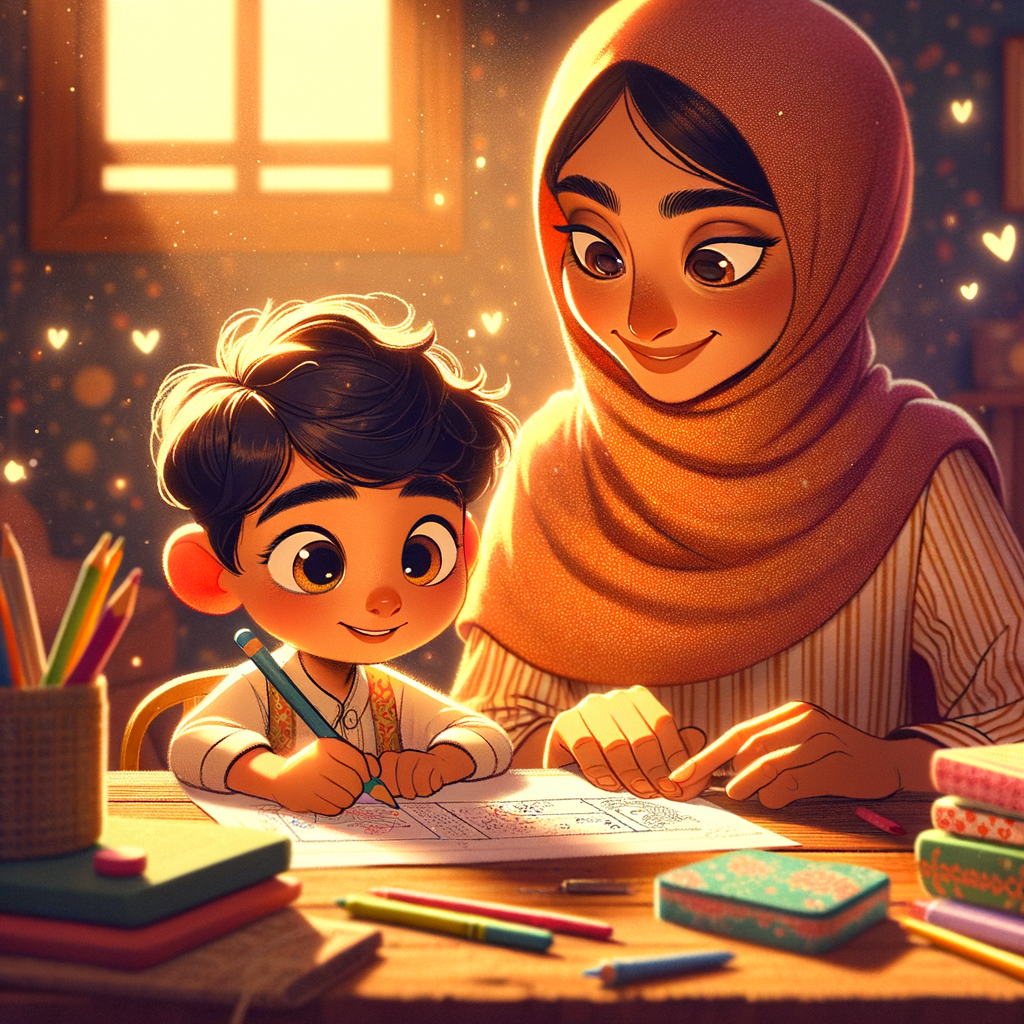
With structured activities and thought-provoking prompts, these worksheets offer a hands-on approach to learning. They help children delve into the intricacies of character building, fostering both creativity and critical thinking. Whether you're a teacher aiming to enrich your curriculum or a parent eager to support your child's creative pursuits, printable worksheets can be an invaluable resource.
Why Character Development Matters
The Role of Characters in Storytelling
Characters are more than just participants in a story; they are the catalysts of its events. Through their actions, dialogues, and growth, characters propel narratives and engage readers. In children's literature, relatable and well-developed characters can inspire empathy, understanding, and a love for reading. By focusing on character development, young writers can learn to craft stories that resonate on a deeper emotional level.
Building Empathy and Understanding
Character development isn't just about creating fictional personas; it's a journey into understanding human nature. By constructing characters with depth, children practice empathy and gain insights into diverse perspectives. This process can also aid in personal growth, as kids learn to articulate their own feelings and motivations through their characters.

Key Elements of Character Development
Character Archetypes
Introducing children to character archetypes can simplify the complex process of character creation. Archetypes such as the hero, mentor, or trickster provide a foundation upon which children can build unique characters. Worksheets can include exercises that explore different archetypes, encouraging kids to adapt and personalize them in their stories.
Physical and Personality Traits
Worksheets that prompt children to describe their character's physical appearance and personality traits can ignite their imagination. Encouraging specific details helps young writers visualize their characters more vividly, which in turn can make their narratives more engaging.
Motivations and Goals
Understanding what drives a character is essential for creating a believable narrative. Printable worksheets can guide children to consider their character's motivations and goals, which can lead to more dynamic and compelling storylines.
Character Growth and Change
Stories are often about transformation, and characters need to evolve. Worksheets that focus on character arcs can help children understand how their characters grow and change in response to challenges. This not only enhances storytelling but also mirrors real-life personal growth.
Designing Effective Character Development Worksheets
Incorporating Creative Prompts
Creative prompts can spark a child's imagination and encourage them to think outside the box. Worksheets can include prompts like, "Describe a day in the life of your character," or "How would your character react in a difficult situation?" These activities push children to explore their characters' personalities deeply.
Visual Aids and Mind Mapping
Visual aids can be incredibly beneficial in character development. Worksheets that incorporate mind mapping techniques or character sketch templates allow children to visualize the connections between different character traits and story elements. This holistic view can aid in crafting more cohesive narratives.

Role-Playing Scenarios
Role-playing scenarios are a fun way to help children understand their characters better. Worksheets that include role-playing activities can guide children to act out scenes, helping them to explore character motivations and interactions in a dynamic way.
Practical Tips for Using Printable Worksheets
Setting the Right Environment
Creating a conducive environment for creative writing can make a significant difference. Ensure that the workspace is comfortable and free from distractions. Encourage children to express themselves freely and remind them that there are no wrong answers in creative writing.
Encouraging Collaborative Learning
Worksheets can be used in group settings to foster collaborative learning. When children share their characters and stories, they can gain new perspectives and ideas. Consider organizing a character development workshop where kids can work together and learn from one another.
For more ideas on engaging children in collaborative storytelling, explore our article on Developing Characters: A Fun Workshop for Kids.
Regular Practice and Feedback
Consistent practice is key to mastering character development. Encourage children to use worksheets regularly, and provide constructive feedback on their work. Highlight their strengths and offer suggestions for improvement to motivate them to keep writing.
Resources for Printable Character Development Worksheets
Online Platforms and Tools
There are numerous online platforms offering free and paid printable worksheets for character development. Websites such as Teachers Pay Teachers and educational blogs provide a wide range of resources tailored for different age groups and skill levels.
For a modern twist, consider integrating technology into your character development lessons. Our article on How AI Can Enhance Your Child's Creative Writing Skills offers insights into using technology to boost creativity.
Creating Custom Worksheets
If you're unable to find worksheets that meet your specific needs, consider creating your own. Tailor exercises to your child's interests or current story projects. Custom worksheets can offer a personalized approach, catering to individual learning styles and preferences.
Conclusion
Character development is a cornerstone of engaging storytelling, and printable worksheets offer an accessible, structured way for children to learn this essential skill. By incorporating character archetypes, creative prompts, and practical exercises, these worksheets can inspire young writers to create compelling characters and intriguing stories.
Whether you're a teacher or a parent, providing children with the tools to explore their creativity is a gift that can last a lifetime. Encourage the young storytellers in your life to experiment, explore, and express themselves through writing. For more resources and tips on boosting your child's writing skills, delve into our articles on Creative Writing for Kids: 5 Fun Exercises to Try Today and Using Educational Technology to Boost Your Child's Writing Skills.
Now is the time to nurture your child's imagination. Share this article with fellow educators and parents to spread the joy of storytelling and character creation. Together, we can inspire the next generation of writers.
Frequently Asked Questions
What are printable character development worksheets for kids?
Printable character development worksheets for kids are educational resources designed to help young learners explore and understand various character traits, emotions, and moral values. These worksheets often include activities such as character sketches, trait lists, and scenario-based questions that encourage children to think critically about their own character and the characters in stories.
How can I teach character creation to my students?
Teaching character creation can be approached by guiding students through brainstorming sessions where they think about traits, backgrounds, and motivations of their characters. Using structured worksheets can help organize their thoughts, allowing them to create well-rounded characters that resonate with their stories. Incorporating discussions and examples from literature can also enhance their understanding of character development.
What types of worksheets are best for young writers?
The best worksheets for young writers often include prompts that inspire creativity, character development exercises, and story mapping tools. Worksheets that focus on specific elements of storytelling, such as plot structure, character arcs, and setting description, can help young writers build their skills systematically. Additionally, including fun activities that encourage imagination can make the writing process enjoyable and engaging.