
Printable Templates for Creating Engaging Characters
# Printable Templates for Creating Engaging Characters In the world of storytelling, characters are the heart and soul of any narrative. They are the ones who embark on thrilling adventures, face dau
In the world of storytelling, characters are the heart and soul of any narrative. They are the ones who embark on thrilling adventures, face daunting challenges, and often teach us valuable lessons. For children, developing well-rounded characters is an essential step in the creative writing process. Yet, it can be a daunting task for many young writers. That's where printable character templates come in handy, offering structured guidance to bring imaginative characters to life.
These templates are not only a valuable resource for teachers and parents but also serve as a catalyst for children's creativity. By providing a framework, they encourage young writers to think deeply about their characters' personalities, motivations, and histories. This article will explore how printable character templates can enhance story development, offering practical tips and examples to inspire the writers of tomorrow.
Why Use Printable Character Templates?
Encouraging Creativity
Printable character templates are a fantastic way to spark creativity in young writers. They offer a starting point for students to begin fleshing out their ideas, allowing them to focus on imaginative aspects rather than getting overwhelmed by a blank page. These tools are especially beneficial when paired with AI tools for kids, which can further fuel their creative processes by suggesting ideas and providing feedback.
Structured Guidance
Character templates provide structured guidance that helps children organize their thoughts and develop complex characters. By answering prompts about their characters' likes, dislikes, fears, and dreams, children can create multi-dimensional characters that feel real and relatable. This structured approach is also discussed in our article on developing characters in a fun workshop for kids, where children learn to explore various facets of character development.
Enhancing Story Development
When characters are well-developed, they naturally lead to richer storylines. With character templates, children can explore how their characters interact with the story's setting and plot, enhancing the overall narrative. This process aligns with the ideas discussed in the power of storytelling, where imagination plays a crucial role in learning and development.
Components of an Effective Character Template
Basic Information
Every character template should start with the basics: name, age, and physical appearance. These fundamental details set the stage for deeper exploration. Encourage children to be specific and creative with descriptions, perhaps imagining unique features or styles that make their characters stand out.
Personality Traits
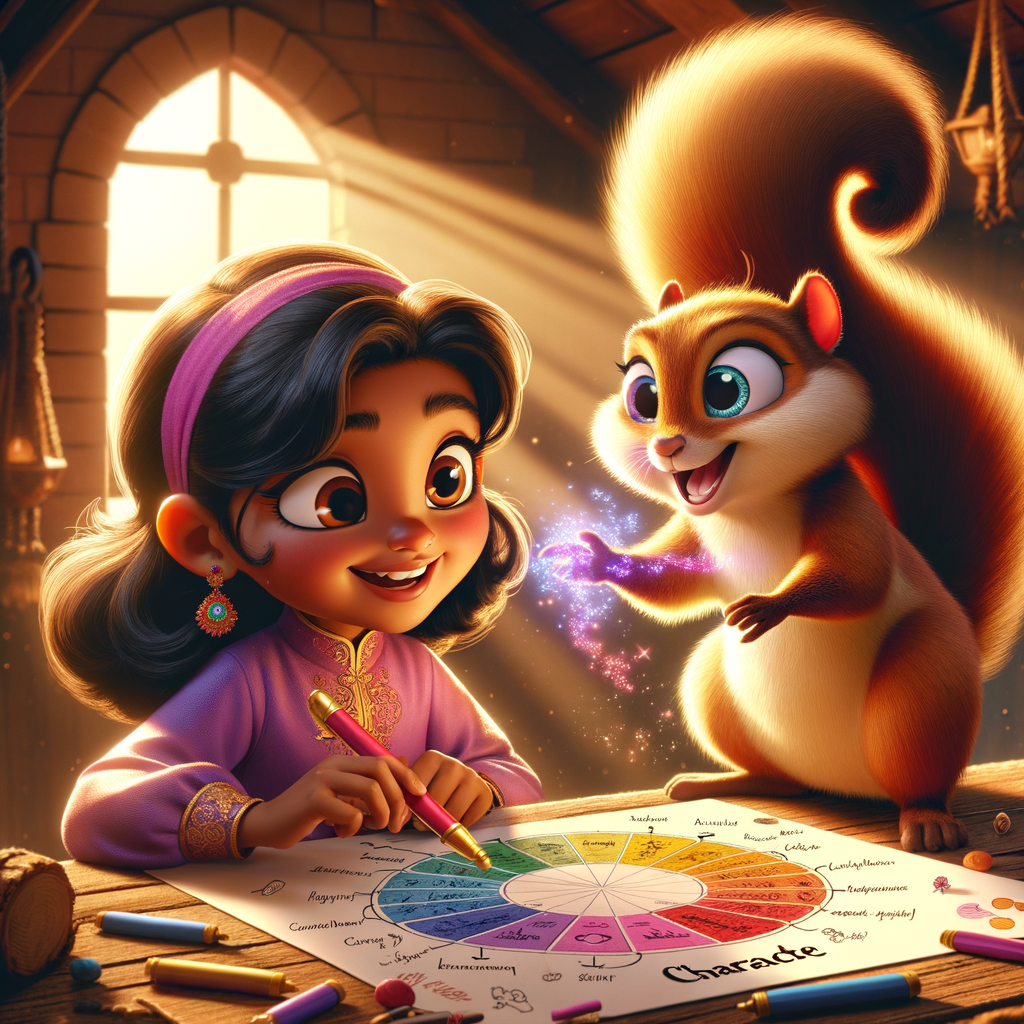
One of the most crucial aspects of character development is understanding their personality. Encourage children to think about both positive and negative traits. Are they brave but also a bit reckless? Kind yet sometimes naive? This duality adds depth and realism to characters.
Background and History
A character's background can significantly influence their behavior and decisions. Use the template to explore their history, family, and any significant events that have shaped who they are. This section can prompt discussions about how past experiences inform present actions, a concept also explored in storytelling as a tool for learning.
Goals and Motivations
Understanding what drives a character is key to developing a compelling storyline. Have children consider their characters' goals and the reasons behind them. This exercise teaches young writers how motivations can create conflict and propel the story forward, similar to concepts discussed in how AI can enhance your child's creative writing skills.
Strengths and Weaknesses
No character is complete without strengths and weaknesses. These attributes make characters relatable and provide opportunities for growth throughout the story. Encourage children to think about how these traits affect their characters' interactions and decisions, tying back to the benefits of creative expression.
Using Templates in the Classroom
Group Activities
Introduce character templates through group activities where students collaborate to create characters together. This approach not only builds teamwork skills but also sparks new ideas as children bounce off each other's creativity. It's a fun exercise that aligns with creative writing for kids, where collaboration leads to richer narratives.
Story Development Workshops
Host workshops focused on story development, using character templates as a starting point. Encourage students to develop their characters and then weave them into short stories, fostering a deeper understanding of storytelling as a tool for learning. For added engagement, integrate technology by using educational technology to boost your child's writing skills.
Homework Assignments
Assign character template completion as homework to encourage independent thinking. Allow students to present their characters in class, sharing their creative processes and receiving constructive feedback. This practice not only builds confidence but also improves reading comprehension as students learn to articulate their ideas clearly.
Practical Examples and Tips
Example 1: The Adventurous Explorer
Name: Alex Rivers
Age: 12
Appearance: Short brown hair, bright blue eyes, always wears a compass necklace
Personality: Curious, brave, sometimes impulsive
Background: Raised by a family of explorers, Alex has traveled to many places and learned to adapt quickly.
Goals: To discover a hidden treasure in the local forest
Strengths: Excellent problem-solver, good with maps
Weaknesses: Overconfident, sometimes forgets to plan ahead
Example 2: The Thoughtful Inventor
Name: Lily Sparks
Age: 11
Appearance: Tall, with curly red hair and glasses
Personality: Intelligent, thoughtful, shy
Background: Grew up in a small town with a passion for building gadgets
Goals: To create a machine that can recycle waste into useful products
Strengths: Creative thinker, good with technology
Weaknesses: Reluctant to ask for help, easily frustrated
Tips for Success
- Encourage Exploration: Allow children to experiment with different character archetypes and traits.
- Foster Discussion: Create opportunities for students to discuss their characters and stories with peers.
- Integrate Technology: Use AI to help kids write their first story by generating prompts and ideas based on their character templates.
Conclusion
Printable character templates are a powerful tool in the creative writing toolkit, offering young writers the structure and inspiration needed to craft engaging characters. By using these templates, teachers and parents can guide children through the intricate process of character development, ultimately enhancing their storytelling skills.
Encourage your students or children to embrace the joy of character creation today. Share this article with fellow educators and parents, and explore the many resources available to make creative writing an exciting adventure for every child.
Call to Action: Download our free printable character templates now and start your child's journey into the world of creative writing. Share your children's character creations on social media and inspire others to join in the fun!
Frequently Asked Questions
What are printable character creation templates for kids?
Printable character creation templates for kids are pre-designed worksheets that guide young creators through the process of developing their own characters. These templates often include prompts for physical traits, personality traits, backstory, and even favorite activities, making it easier and more fun for children to engage in storytelling.
How can I help my child create characters for stories?
To help your child create characters for stories, start by providing them with a structured approach, such as using printable templates that outline key character elements. Encourage them to think about their character's motivations, challenges, and relationships with others, which can enrich their storytelling experience and provide depth to their narratives.
What are templates for character development exercises?
Templates for character development exercises are tools that facilitate the exploration of a character's traits, goals, and conflicts, helping writers deepen their understanding of their characters. These templates can include sections for character sketches, emotional arcs, and even dialogue samples, making them valuable resources for both novice and experienced writers.