
Step-by-Step Guide to Building a Homeschool Literacy Program
# Step-by-Step Guide to Building a Homeschool Literacy Program In the ever-evolving landscape of education, homeschooling has emerged as a flexible and personalized approach to learning. One of the c
In the ever-evolving landscape of education, homeschooling has emerged as a flexible and personalized approach to learning. One of the core components of a successful homeschool curriculum is a robust literacy program. Literacy is more than just the ability to read and write; it is the foundation for all learning. Developing a homeschool literacy program tailored to your child's needs can be both a rewarding and challenging endeavor.
This guide will walk you through creating an effective homeschool literacy program, ensuring your child is equipped with essential reading and writing skills. Whether you're new to homeschooling or looking to enhance your existing curriculum, these steps will provide a comprehensive framework to support your child's literacy development.
Understanding Literacy Development
Before diving into the specifics of a homeschool literacy program, it's crucial to understand the stages of literacy development. This knowledge will help you tailor activities and materials to your child's unique learning needs.
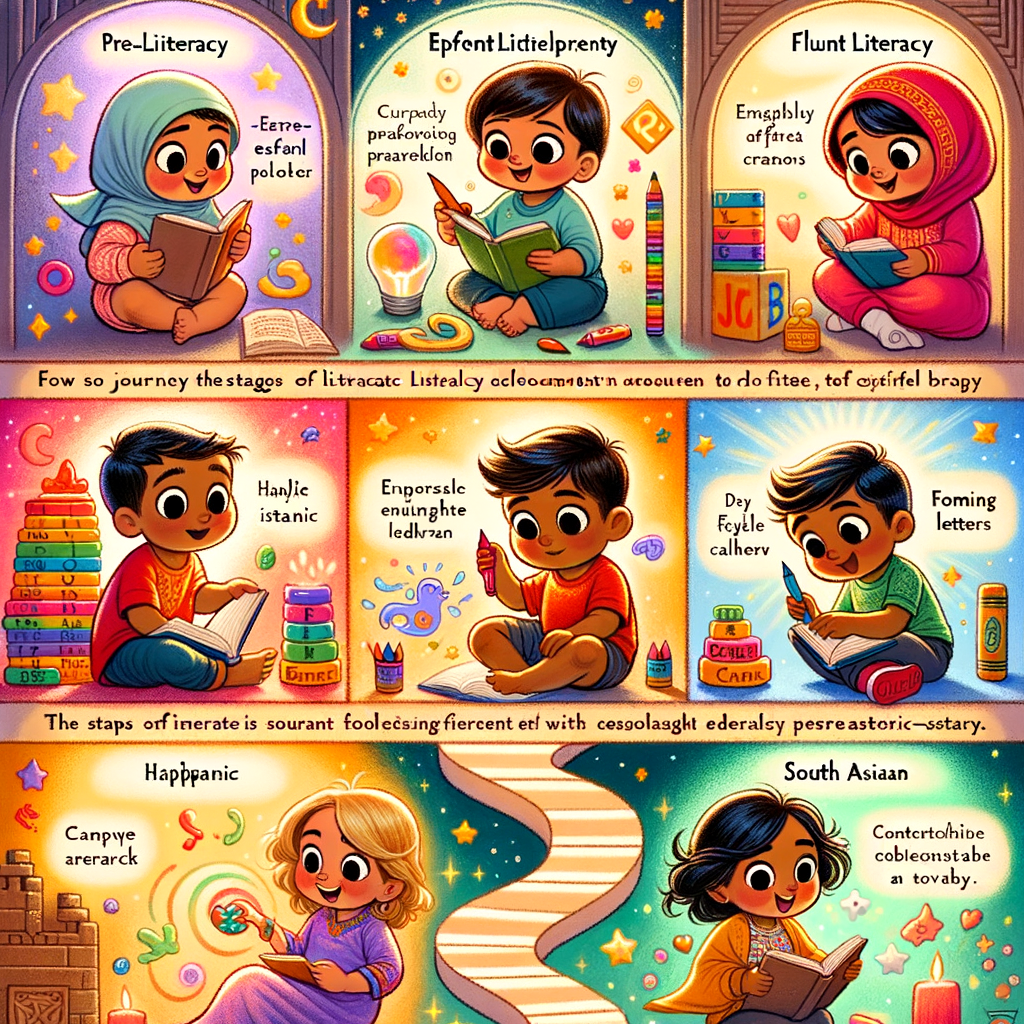
The Stages of Literacy
Pre-Literacy Stage (Ages 0-5):
- Focus on listening to stories, recognizing letters and sounds, and developing an interest in books.
- Activities: Reading aloud, singing nursery rhymes, and playing letter games.
Emergent Literacy Stage (Ages 5-7):
- Children begin to understand the connection between letters and sounds and start reading simple texts.
- Activities: Phonics games, sight word practice, and simple writing exercises.
Early Literacy Stage (Ages 7-9):
- Increased fluency in reading and writing, with a focus on comprehension and vocabulary.
- Activities: Reading comprehension exercises, vocabulary building, and creative writing prompts.
Fluent Literacy Stage (Ages 9-12):
- Children read and write with greater confidence, exploring a variety of genres and complex texts.
- Activities: Book reports, research projects, and advanced writing exercises.
Designing Your Homeschool Literacy Program
Creating a homeschool literacy program involves setting goals, selecting appropriate materials, and incorporating engaging activities. Here's a step-by-step approach to design a program that meets your child's needs.
Step 1: Set Clear Goals
Start by identifying what you want your child to achieve through your literacy program. Consider both long-term and short-term objectives.
- Long-Term Goals: Cultivate a lifelong love for reading, develop strong writing skills, and enhance critical thinking abilities.
- Short-Term Goals: Improve reading fluency, expand vocabulary, and strengthen comprehension skills.
Step 2: Choose the Right Resources
Selecting the right resources is crucial for building an effective literacy program. Consider your child's interests and reading level when choosing books and materials.
- Books: Include a mix of fiction and non-fiction, catering to your child's interests.
- Workbooks and Worksheets: Use these for structured learning and practice.
- Digital Tools: Incorporate educational apps and AI tools, such as those discussed in AI Tools for Kids: How Technology Can Spark Creativity.
Step 3: Develop a Structured Schedule
Create a daily or weekly schedule that includes dedicated time for reading, writing, and literacy activities.
- Reading Time: Allocate time for independent reading and reading aloud.
- Writing Exercises: Integrate writing prompts and journals to encourage creative expression.
- Interactive Activities: Use games and storytelling sessions to make learning fun and engaging. Check out Creative Writing for Kids: 5 Fun Exercises to Try Today for inspiration.
Incorporating Reading Comprehension
Reading comprehension is a vital component of literacy. It involves not just reading the words, but understanding and interpreting the meaning behind them.
Techniques to Enhance Comprehension
- Questioning: Encourage your child to ask questions about the text to deepen their understanding.
- Summarizing: Practice summarizing stories or chapters to reinforce main ideas.
- Predicting: Before turning the page, ask your child to predict what might happen next.
- Visualizing: Use drawing or mind mapping to help visualize the story.
For quick activities to boost comprehension skills, explore 5-Minute Activities to Improve Reading Comprehension.

Encouraging Writing and Creative Expression
Writing is a key aspect of literacy that allows children to express their thoughts and ideas. Encouraging creative writing can make this process exciting and enjoyable.
Strategies to Foster Writing Skills
- Daily Journaling: Encourage your child to write daily entries about their thoughts or experiences.
- Story Prompts: Use prompts to spark creativity and guide story development.
- Character Development: Engage in workshops, such as Developing Characters: A Fun Workshop for Kids, to enhance storytelling skills.
- Using AI Tools: Explore technology to aid writing, as discussed in How AI Can Enhance Your Child's Creative Writing Skills.
Assessing Progress and Adapting Your Program
Regular assessment of your child's progress is essential to ensure that the literacy program remains effective and relevant.
Methods of Assessment
- Reading Logs: Track the books your child reads and their reflections on each.
- Writing Portfolios: Collect writing samples to observe improvements over time.
- Informal Assessments: Use quizzes or discussions to gauge comprehension and retention.
Adapting Your Program
Be prepared to adjust your program based on your child's progress and feedback. Flexibility is one of the greatest advantages of homeschooling.
Conclusion
Building a homeschool literacy program requires dedication, creativity, and a clear understanding of your child's learning needs. By setting clear goals, selecting appropriate resources, and incorporating engaging activities, you can create a nurturing environment that fosters literacy development. Remember, the journey of learning is unique for every child, so tailor your approach to suit their interests and abilities.
Encourage your child to explore the world of books and writing with enthusiasm and curiosity. Share this guide with other homeschooling parents and educators, and let's build a community where literacy flourishes.

Call to Action: Share your experiences and tips on building a homeschool literacy program in the comments below. For more resources and ideas, explore our articles on creative writing and storytelling. Let's work together to inspire the next generation of readers and writers!
Frequently Asked Questions
How do I build a homeschool literacy program from scratch?
Building a homeschool literacy program begins with assessing your child's current reading and writing skills. You'll want to set specific goals, choose appropriate materials, and create a schedule that includes daily reading, writing exercises, and phonics practice. Incorporating a variety of genres and formats can also keep your child engaged.
What are the best resources for homeschool literacy?
Some of the best resources for homeschool literacy include online platforms like Reading A-Z, which offers leveled reading materials, and websites like Starfall, which teaches phonics through interactive games. Additionally, local libraries often have a wealth of books and programs, and educational apps can offer fun ways to enhance literacy skills.
How do I create a literacy plan for my children?
Creating a literacy plan for your children involves setting clear objectives based on their age and skill level. Start by selecting key literacy components such as reading comprehension, vocabulary development, and writing skills, then outline activities and resources that align with these goals. Regularly assess progress to adjust the plan as needed.