
50 Writing Games and Activities for Creative Skill Development
# 50 Writing Games and Activities for Creative Skill Development In today's fast-paced digital world, nurturing creative skills in children is more crucial than ever. Writing games and activities are
This is a 50-item skill bank (poetry, journals, challenges, tech). Skim by skill. If you need one game for tomorrow's class, start with Free Writing Games for Classroom Fun instead of reading all 50.
In today's fast-paced digital world, nurturing creative skills in children is more crucial than ever. Writing games and activities are not just fun; they play a pivotal role in developing literacy skills and encouraging self-expression among young learners. Whether you're a teacher seeking fresh classroom activities or a parent looking for engaging homeschool resources, this guide offers a treasure trove of ideas to inspire and educate.
Creative writing is a powerful tool for children, allowing them to express their thoughts, explore their imaginations, and enhance their cognitive abilities. To foster creativity, it's important to provide children with a variety of writing games and activities that cater to different learning styles and interests. Let's embark on this journey to discover 50 exciting ways to develop creative skills through writing.
1. Story Starters
1.1 Prompts and Pictures
Using prompts or images to kickstart a story is an excellent way to get the creative juices flowing. Start by showing a picture or giving a prompt like "Imagine you could talk to animals..." and let the children craft their stories from there. This technique encourages imagination and can be adapted for different age groups.
1.2 Collaborative Writing
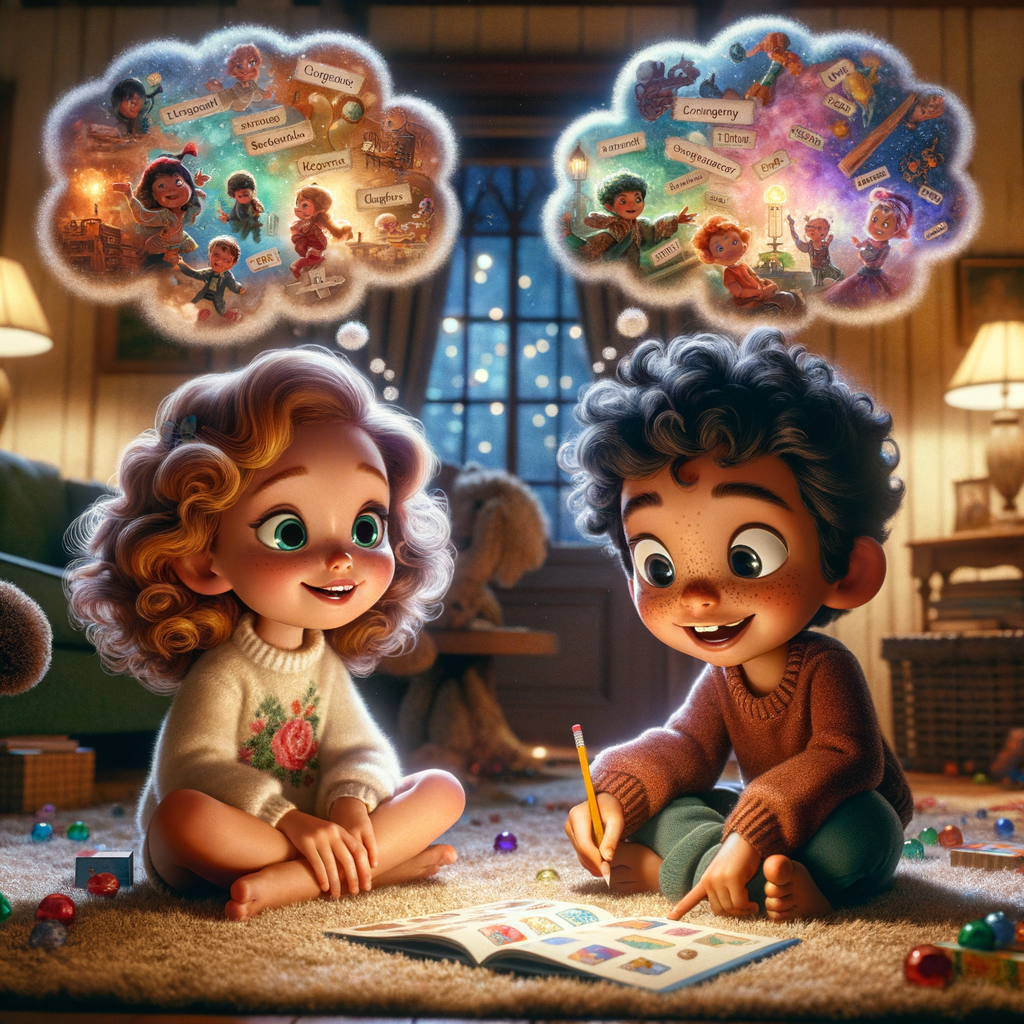
In this activity, each child contributes a sentence to a story. Begin with a prompt, and have each child add a line, building upon what the previous child has written. This not only fosters creativity but also teaches cooperation and narrative development.

2. Character Creation
2.1 Character Sketches
Have children draw or describe a new character. Encourage them to think about their character's likes, dislikes, and dreams. This can be linked to our workshop on Developing Characters: A Fun Workshop for Kids.
2.2 Role-Playing
Ask children to act out their characters. This activity enhances empathy and understanding by encouraging kids to step into someone else's shoes, an important skill in both writing and life.
3. Poetry Fun
3.1 Acrostic Poems
Introduce the concept of acrostic poems where children write a word vertically and create a line of poetry starting with each letter. This activity is great for vocabulary enhancement and creativity.
3.2 Haiku Happenings
Teach children the structure of haiku (5-7-5 syllables) and let them write their nature-inspired poems. This exercise helps in appreciating brevity and the beauty of words.
4. Interactive Writing Games
4.1 Writing Relay
Organize a writing relay where children write a part of a story and pass it to the next person. This game is fast-paced and encourages quick thinking and collaboration.
4.2 Word Association
Start with a word and let each child add a related word. This can be turned into a sentence-building exercise that promotes creative thinking and vocabulary expansion.
5. Journal and Diary Keeping
5.1 Personal Diaries
Encourage children to keep a daily diary. This practice not only improves writing skills but also helps in self-reflection and emotional expression.
5.2 Themed Journals
Introduce themed journals where each entry is based on a specific topic like "A Day in the Future" or "If I Were Invisible for a Day." This can be a fun way to explore different genres and styles of writing.
6. Educational Technology and AI
6.1 Using AI Tools
Explore how AI Tools for Kids: How Technology Can Spark Creativity can be integrated into writing activities. Tools like story generators can provide inspiration and assist in the writing process.
6.2 Digital Storytelling
Utilize digital platforms to create interactive stories. This not only makes writing more engaging but also helps children develop digital literacy alongside traditional skills.
7. Writing Challenges
7.1 100-Word Challenge
Challenge children to write a story in exactly 100 words. This exercise helps in honing editing skills and learning the importance of word choice.
7.2 Genre Switch
Have children write a story in a specific genre, then rewrite it in another. This encourages flexibility and a deeper understanding of different writing styles.
8. Utilizing Imagination
8.1 Fantasy Worlds
Encourage children to create their own fantasy worlds complete with maps and rules. This exercise taps into their creativity and understanding of world-building.
8.2 Time Travel Tales
Ask children to write stories set in different time periods. This not only sparks imagination but also incorporates elements of history, making learning multidimensional.
Conclusion
Writing games and activities are more than just a source of entertainment; they are foundational tools for developing creative skills, enhancing literacy, and fostering a lifelong love for storytelling. By integrating these activities into daily routines, educators and parents can provide children with the opportunity to express themselves, think critically, and enjoy the process of writing.
For more insights into enhancing creative writing skills, consider exploring articles on The Power of Storytelling: Learning Through Imagination and How AI Can Enhance Your Child's Creative Writing Skills. Together, we can nurture the storytellers of tomorrow.
Share this article with fellow educators and parents to spread the joy of creative writing and encourage the next generation of writers. Let’s make writing an adventure worth embarking on!
Feel free to share your thoughts or additional tips in the comments below. Happy writing!
Frequently Asked Questions
What are some fun writing games for elementary students?
Fun writing games for elementary students include 'Story Cubes,' where kids roll dice with images and create stories based on the pictures, and 'Write Around the Room,' which encourages them to find objects and write descriptive sentences about them. These games not only make writing enjoyable but also help develop their creativity and storytelling skills.
How can I make writing fun for kids?
To make writing fun for kids, incorporate interactive activities like writing prompts that spark their imagination, or use technology, such as story creation apps. Additionally, you can organize writing competitions or collaborate on group stories to foster a sense of community and excitement around writing.
What are some creative writing activities for the classroom?
Creative writing activities for the classroom include poetry slams, where students write and perform their poems, and 'Character Creation,' where they invent characters and write short stories about them. These activities not only enhance writing skills but also encourage teamwork and self-expression among students.