
Step-by-Step Guide to Teaching Kids Story Structure
# Step-by-Step Guide to Teaching Kids Story Structure In a world filled with screens and digital distractions, storytelling remains a timeless and powerful tool for education and personal growth. Tea
In a world filled with screens and digital distractions, storytelling remains a timeless and powerful tool for education and personal growth. Teaching kids how to structure a story not only enhances their writing skills but also boosts their creativity and comprehension abilities. Whether you're a parent looking to engage your child at home or an educator aiming to inspire a classroom, understanding story structure is a key component of effective storytelling.
Story structure serves as the backbone of any narrative, guiding young writers to organize their thoughts and ideas into coherent, compelling tales. This guide will walk you through a step-by-step approach to teaching story structure, ensuring that children can confidently craft their own stories. Along the way, we'll explore practical tips, examples, and activities to make the learning process enjoyable and engaging.
Understanding Story Structure: The Basics
Before diving into the intricacies of teaching story structure, it's essential to grasp the fundamental components that make up a narrative. These elements serve as building blocks, helping young writers to shape their ideas into a cohesive story.
The Elements of Story Structure
- Introduction: This is where the story begins, setting the stage for the narrative. It introduces the characters, setting, and the initial situation.
- Rising Action: The series of events that create tension and lead up to the climax. This is where conflicts and challenges arise.
- Climax: The turning point of the story, often the most exciting moment. The main character faces their biggest obstacle.
- Falling Action: Events that follow the climax, leading towards resolution. The tension decreases, and loose ends start to tie up.
- Resolution: The conclusion of the story where conflicts are resolved, and the story comes to a satisfying end.
These elements form the narrative arc, a structure that can be adapted across various types of stories, from fairy tales to modern adventures.

Why Story Structure Matters
Understanding story structure helps children to organize their thoughts, making writing less daunting and more approachable. By learning to map out a story, young writers can focus on creativity and expression rather than becoming overwhelmed by the process. Moreover, story structure enhances reading comprehension, as children begin to recognize patterns and anticipate plot developments in the stories they read.
Step-by-Step Guide to Teaching Story Structure
Step 1: Introduce the Concept with Simple Examples
Begin by introducing the concept of story structure with simple, familiar stories. Fairy tales or well-known children's books are excellent choices as they often follow a clear narrative arc.
- Activity: Read a short story together and discuss its structure. Ask the child to identify the beginning, middle, and end. Highlight the key events that correspond to each part of the story structure.
Step 2: Use Visual Aids
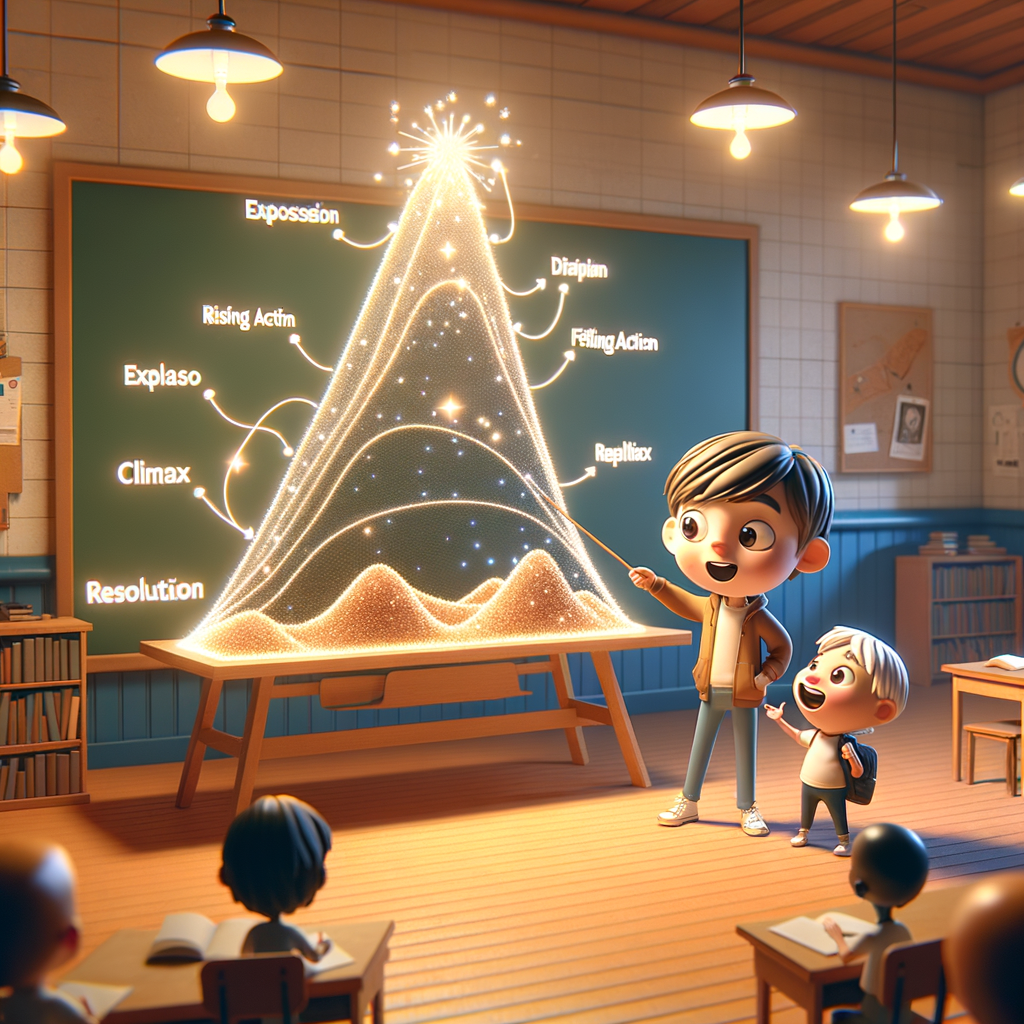
Visual aids can significantly enhance understanding, especially for young learners. Create charts or diagrams that visually represent the story structure.
- Tip: Use a simple plot diagram with a mountain shape to illustrate the rising and falling action. Label each section clearly and refer back to it frequently during lessons.
Step 3: Create a Story Map
A story map helps children plan their narratives by outlining the main components of their story. Encourage them to brainstorm ideas and organize them into a coherent structure.
- Activity: Provide a blank story map template. Ask the child to fill in the sections with their ideas for characters, setting, and plot events. Use prompts to guide them, such as "Who is the main character?" and "What challenge do they face?"
Step 4: Develop Characters and Setting
Characters and setting are integral to a story's structure. Help children create vivid, relatable characters and a setting that enhances the narrative.
Workshop Reference: Check out our article on Developing Characters: A Fun Workshop for Kids for detailed activities and tips on character creation.
Activity: Have the child draw their characters and setting. Encourage them to describe these elements in detail, considering how they influence the story's events.
Step 5: Write and Revise the Story
Once the planning is complete, it's time for the child to write their story. Encourage them to focus on each part of the structure, ensuring that the narrative flows logically from one section to the next.
Tip: Remind them that first drafts don't have to be perfect. The goal is to get their ideas on paper, which can then be revised and refined.
Reference: Explore how AI Tools for Kids: How Technology Can Spark Creativity can assist in this stage, offering suggestions and enhancements to their writing.
Step 6: Share and Reflect
Sharing their stories with others can boost a child's confidence and provide valuable feedback. Organize a story-sharing session where they can read their work aloud.
- Activity: After sharing, hold a reflection session. Ask the child what they enjoyed about writing their story and what they found challenging. Encourage them to think about how they could improve their next story.
Practical Tips for Success
Encourage Regular Practice
Consistency is key in mastering story structure. Encourage regular writing practice through fun and engaging activities. Our article on Creative Writing for Kids: 5 Fun Exercises to Try Today offers a variety of exercises to keep children motivated.
Integrate Technology
Utilize educational technology to support the learning process. Tools and apps can provide interactive story-building experiences, making the learning process dynamic and engaging. Learn more about Using Educational Technology to Boost Your Child's Writing Skills.
Foster a Love for Reading
Reading diverse stories helps children understand different narrative structures and styles. Encourage a reading habit to complement their writing skills. Consider short, 5-Minute Activities to Improve Reading Comprehension which can also enhance their understanding of story elements.
Conclusion: Nurturing Young Storytellers
Teaching kids story structure is a rewarding endeavor that nurtures their creative expression and academic skills. By following this step-by-step guide, you provide them with the tools they need to craft compelling stories, enhancing their imagination and understanding of the world around them.
As you guide young writers on their storytelling journey, remember to celebrate their creativity and progress. Encourage them to explore different genres and styles, and remind them that every story they create is a unique reflection of their thoughts and ideas.
Ready to inspire the next generation of storytellers? Share this guide with fellow parents and educators, and explore our other resources on storytelling and creative writing. Together, let's ignite a passion for writing in children everywhere.
Share this article with friends and colleagues who might find it helpful, and don't forget to check out our related articles for more insights into teaching and enhancing creative writing skills in children.
Frequently Asked Questions
How can I teach story structure to kids effectively?
To teach story structure to kids effectively, start by introducing them to the basic elements such as the beginning, middle, and end. Use engaging stories they are familiar with to illustrate these concepts, and guide them in identifying these parts in their favorite tales. Incorporate interactive activities, like story mapping or creating their own short stories, to reinforce their understanding.
What are some examples of story structure for children?
Examples of story structure for children often include classic tales like 'The Three Little Pigs' or 'Goldilocks and the Three Bears,' where the plot follows a clear sequence of events. You can also use simple graphic organizers to help kids visualize the beginning (introduction of characters and setting), middle (conflict or challenge), and end (resolution). These examples make it easier for children to grasp the concept of story structure.
Is there a plot template for young writers?
Yes, a plot template for young writers can be quite helpful. A simple template might consist of sections for character introduction, setting, conflict, climax, and resolution. By guiding children to fill in these sections, they can create a coherent story while learning how each part contributes to the overall narrative.