
Step-by-Step Guide to Creating Magical Fantasy Stories
# Step-by-Step Guide to Creating Magical Fantasy Stories Fantasy stories have the power to transport us to enchanted worlds filled with dragons, wizards, and endless adventures. For children aged 8-1
Fantasy stories have the power to transport us to enchanted worlds filled with dragons, wizards, and endless adventures. For children aged 8-15, writing fantasy stories can be a delightful way to express creativity and imagination. In this guide, we will explore how parents and educators can guide children through the process of writing their own magical fantasy stories.
Not only does writing these stories nurture a child's creative expression, but it also enhances their cognitive skills, including problem-solving and critical thinking. By the end of this article, you will have a comprehensive understanding of the steps involved in crafting captivating fantasy tales, along with practical tips and examples to inspire young writers.
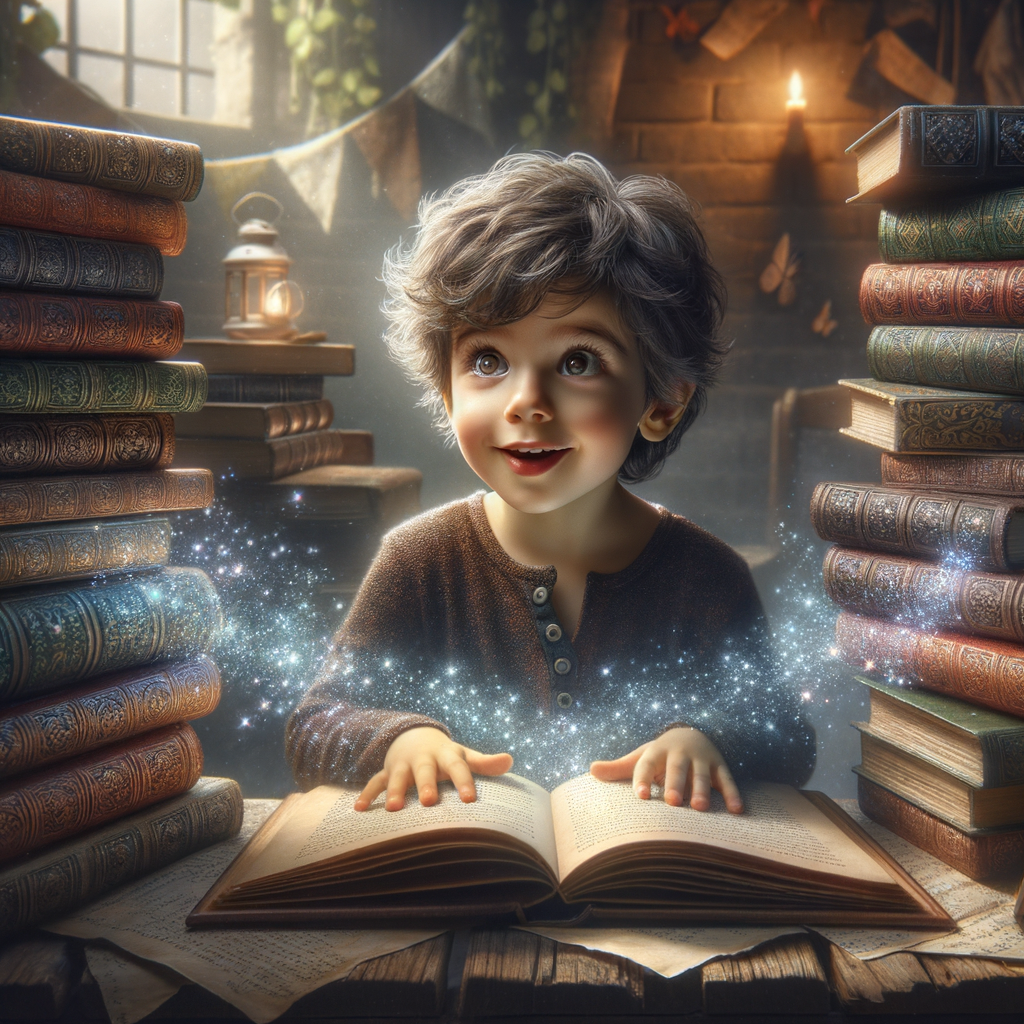
Understanding the Elements of Fantasy
Before diving into the writing process, it is essential to understand the key elements that make a fantasy story captivating and magical. Fantasy stories often include elements that are not possible in the real world, such as mythical creatures, magic, and otherworldly settings.
Key Elements of Fantasy Stories
Magic: Magic is a fundamental aspect of fantasy stories. It can be portrayed in various forms such as spells, magical creatures, or enchanted items. Encourage kids to think about how magic works in their story and its rules.
Mythical Creatures: Dragons, unicorns, and fairies add wonder and excitement. Guide children to create their own creatures or put a twist on existing ones.
Imaginary Worlds: Fantasy stories often take place in worlds different from our own. World-building is crucial as it sets the stage for the adventure. Encourage kids to map out their world with details about its geography, culture, and history.
Heroic Characters: The protagonist often embarks on a quest or faces challenges. Developing characters with distinct traits and motivations is vital to engage readers.
Epic Quests: A central quest or mission drives the plot forward. Whether it's finding a lost artifact or defeating a dark force, the quest should be compelling and meaningful.
Building a Fantasy World
Creating an immersive world is the cornerstone of a magical fantasy story. It’s the setting where the adventure unfolds and should captivate the reader's imagination.
Tips for Effective World-Building
Start with a Map: Encourage children to draw a map of their fantasy world. This can include kingdoms, forests, mountains, and oceans. A visual representation helps in maintaining consistency and adds depth to the story.
Define the Rules: Every fantasy world needs rules, especially regarding magic. How is magic used? Who can use it? Are there consequences? Establishing these rules makes the world more believable.
Cultural Elements: What kind of societies inhabit the world? Consider languages, traditions, and social structures. This adds layers to the narrative and enriches the storytelling experience.
Incorporate Technology and AI: Introduce kids to AI Tools for Kids: How Technology Can Spark Creativity to help them visualize their world or even generate ideas for mythical creatures and settings.

Creating Compelling Characters
Characters are the heart of any story. In fantasy, they can be as fantastical as the world they inhabit. Crafting memorable characters involves giving them unique traits, desires, and challenges.
Steps to Develop Fantasy Characters
Character Profiles: Have children create profiles for each character, detailing their physical appearance, personality, strengths, and weaknesses. Use Developing Characters: A Fun Workshop for Kids for guided exercises.
Backstory and Motivation: Every character should have a backstory that explains their motivations. Why are they embarking on this quest? What are their fears and desires?
Character Arc: Characters should evolve throughout the story. How do they change as a result of the events they experience? A strong character arc keeps readers invested.
Dialogue and Interaction: Encourage writing dialogue that reflects each character's voice and role in the story. This enhances their uniqueness and helps in advancing the plot.
Crafting an Engaging Plot
A well-structured plot keeps readers hooked from beginning to end. It should include a clear beginning, middle, and end, with a balance of action, tension, and resolution.
Plot Structure and Pacing
Introduction: Set the stage by introducing the world and characters. Establish the conflict or goal early to engage the reader.
Rising Action: Build tension through challenges and obstacles. This is where the protagonist faces trials that test their courage and resolve.
Climax: The turning point of the story. It’s the most intense part where the protagonist confronts the main challenge.
Resolution: Provide a satisfying conclusion. Resolve major plot points and show how the characters have changed.
Incorporating AI in Plot Development
Consider utilizing 10 Best AI Storytelling Apps for Kids: Enhance Creativity to brainstorm plot twists or develop subplots that add intrigue and complexity.
Encouraging Creative Expression Through Fantasy
Writing fantasy stories is an excellent way for children to engage in creative expression. It allows them to explore different perspectives and develop empathy by stepping into the shoes of their characters.
Practical Exercises to Foster Creativity
Prompt Writing: Give children writing prompts related to fantasy themes. For example, "Describe a day in the life of a dragon tamer."
Story Starters: Provide the beginning of a story and let them continue. For instance, "In a world where the sun never sets, a young girl discovers..."
Role-playing: Encourage kids to act out scenes from their story. This can deepen their understanding of character dynamics and plot development.
Benefits of Creative Writing
Creative writing not only enhances literacy skills but also boosts confidence and self-expression. For more exercises, visit Creative Writing for Kids: 5 Fun Exercises to Try Today.

Conclusion: Unleash the Magic of Storytelling
Writing fantasy stories is an enchanting journey that fosters imagination and creativity in children. By guiding them through the process of building worlds, developing characters, and crafting plots, we empower them to create stories that are uniquely their own.
Encourage your child to share their stories with friends and family, and consider publishing them in a school magazine or online platform. This not only boosts their confidence but also reinforces the joy of storytelling as a tool for learning and personal growth.
For further inspiration, explore how The Power of Storytelling: Learning Through Imagination can be leveraged to enhance educational experiences. Share this guide with fellow parents and educators to inspire more young writers to embark on their own magical storytelling adventures.
Creating magical fantasy stories is a rewarding endeavor that can ignite a lifelong passion for writing in children. Share your child’s journey or tips in the comments below, and join the conversation on how storytelling can transform learning.