
10 Essential Plot Templates for Young Writers
# 10 Essential Plot Templates for Young Writers Creative writing is a wonderful way for children to express themselves, explore their imaginations, and develop critical thinking skills. However, star
Creative writing is a wonderful way for children to express themselves, explore their imaginations, and develop critical thinking skills. However, starting a story can be daunting, especially for young writers who might feel overwhelmed by the infinite possibilities. That's where plot templates come in handy. They provide a structured framework that can make the writing process more approachable and enjoyable. This article explores ten essential plot templates that parents and teachers can use to guide children in crafting their stories.
Plot templates are not just helpful for organizing a story; they are also excellent tools for teaching fundamental storytelling concepts. By understanding the basic structure of compelling narratives, young writers can enhance their creative skills and build confidence in their writing abilities. Let's dive into these plot templates and see how they can inspire the next generation of storytellers.
1. The Hero's Journey
Understanding the Hero's Journey
The Hero's Journey is a classic plot structure that has been used in countless stories, from ancient myths to modern blockbusters. This template involves a hero who goes on an adventure, faces a crisis, and returns home transformed. It's a versatile structure that can be adapted to any genre.
Key Elements:
- Ordinary World: Introduce the hero in their normal life.
- Call to Adventure: The hero receives an invitation to embark on a journey.
- Crossing the Threshold: The hero leaves their familiar world behind.
- Trials and Challenges: The hero faces obstacles and learns valuable lessons.
- The Return: The hero comes back home, forever changed.
Tips for Young Writers
Encourage young writers to think about their own "ordinary world" and what kind of adventure would entice them to leave it. Use examples from popular children's literature or films that follow the Hero's Journey, such as "Harry Potter" or "The Lion King", to illustrate each stage.
2. The Quest
Understanding the Quest
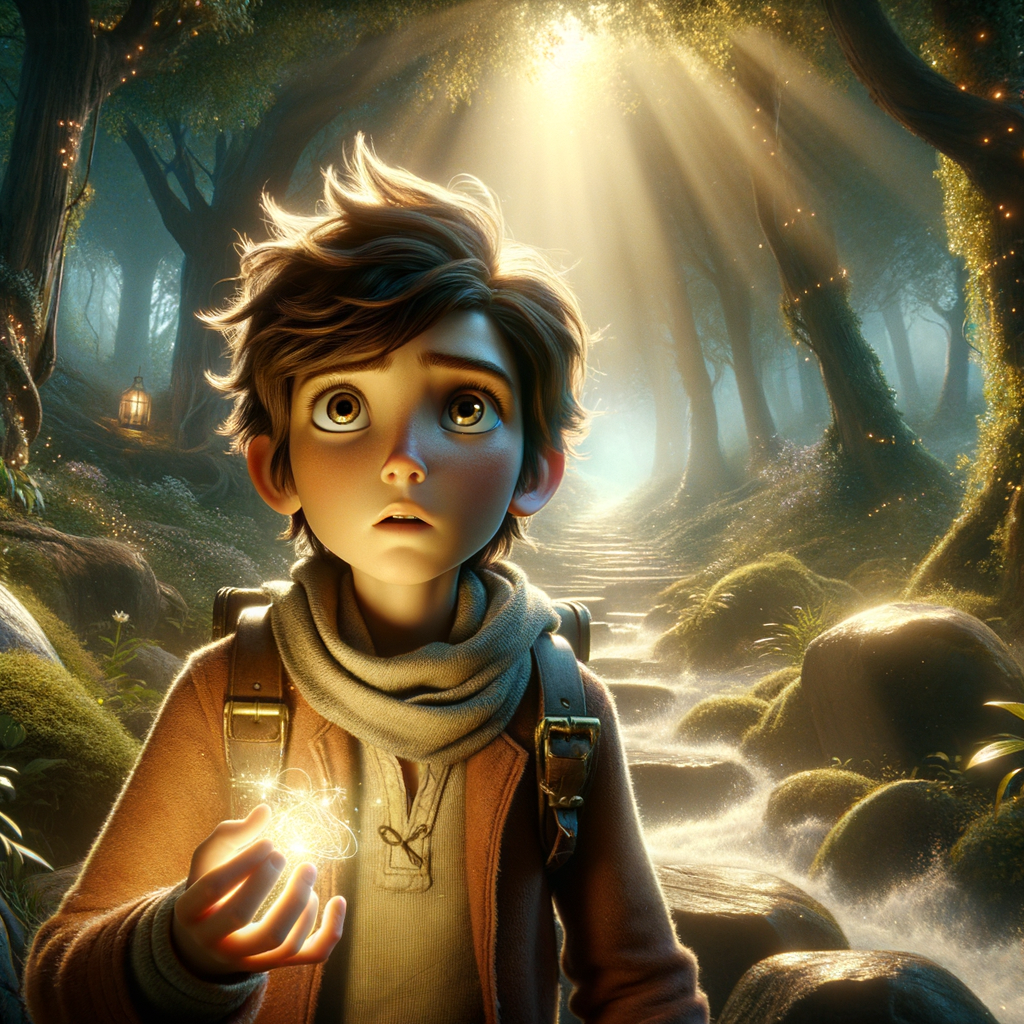
The Quest plot template involves characters embarking on a journey to achieve a specific goal. This could be finding a treasure, saving a kingdom, or discovering a magical artifact. The Quest is driven by the character's determination to reach their goal, despite numerous challenges.
Key Elements:
- The Objective: Clearly define what the characters are seeking.
- The Journey: Highlight the journey and the obstacles encountered.
- The Companions: Introduce allies who help the protagonist along the way.
- The Reward: Describe the outcome of the quest and its impact on the characters.
Tips for Young Writers
Encourage children to brainstorm a list of exciting goals they might like to pursue in a story. Discuss the importance of teamwork and how friends can help achieve difficult tasks. Use "The Wizard of Oz" as an example of a classic quest narrative.
3. Overcoming the Monster
Understanding Overcoming the Monster
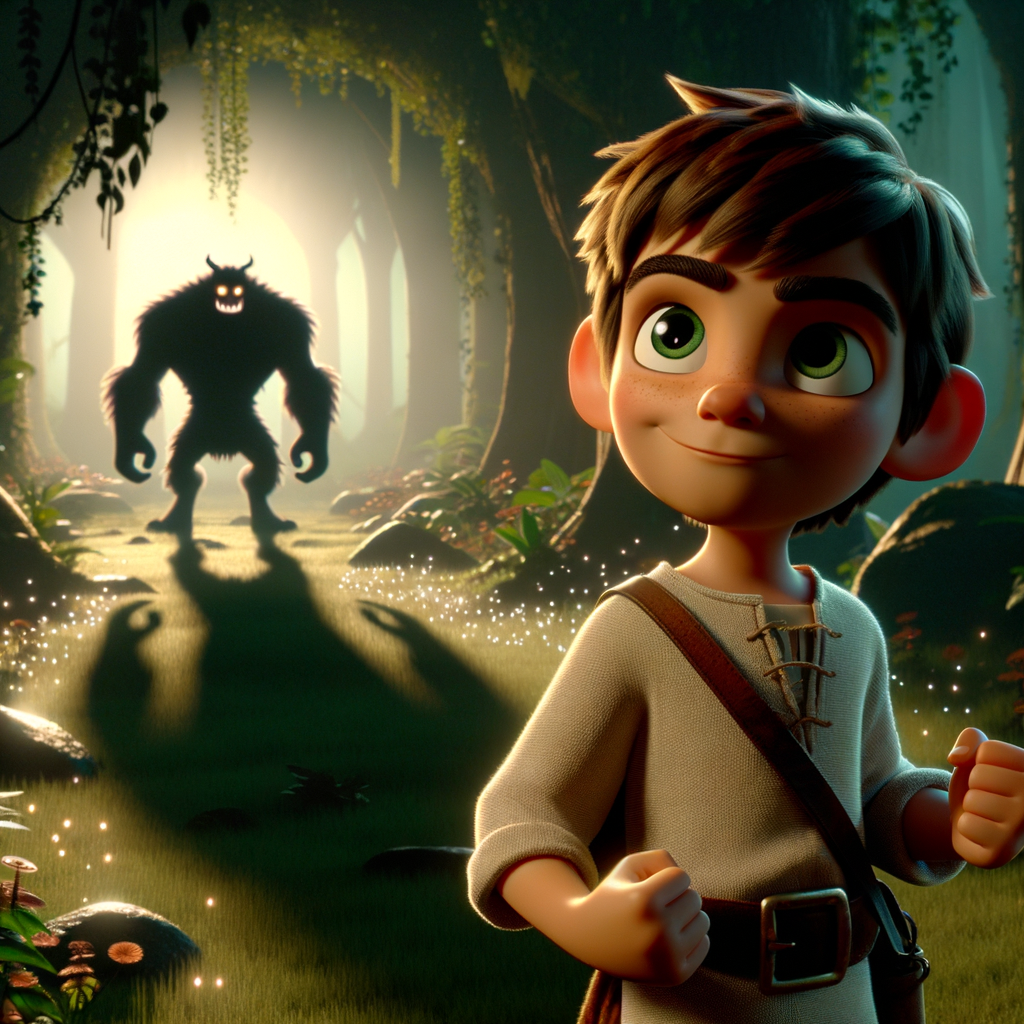
In this plot template, the protagonist faces a great evil or monstrous antagonist threatening their world. The story focuses on the battle between good and evil, culminating in the hero's victory.
Key Elements:
- The Threat: Define the monster or villain and the danger they pose.
- The Preparation: Show how the hero prepares for the confrontation.
- The Battle: Describe the confrontation between the hero and the monster.
- The Victory: Highlight how the hero overcomes the monster and restores peace.
Tips for Young Writers
Have young writers describe their own "monsters," which could be literal creatures or symbolic representations of fear or challenges. Use stories like "Beowulf" or "Percy Jackson" to illustrate this plot structure.
4. Rags to Riches
Understanding Rags to Riches
This plot template tells the story of a protagonist who rises from humble beginnings to achieve greatness. Often, the character gains wealth, love, or recognition, highlighting themes of perseverance and transformation.
Key Elements:
- The Humble Beginning: Introduce the protagonist's initial struggles.
- The Rising Action: Describe the events that lead to the protagonist's improvement.
- The Climax: Highlight a turning point where the protagonist's fortunes change.
- The Resolution: Show the protagonist enjoying their newfound status.
Tips for Young Writers
Encourage children to reflect on what success means to them and how they might achieve it in a fictional setting. Use stories like "Cinderella" or "Aladdin" to demonstrate this template.
5. The Tragedy
Understanding The Tragedy
In a tragedy, the protagonist is brought down by a fatal flaw or an unavoidable fate. This plot template explores themes of loss, regret, and the consequences of actions.
Key Elements:
- The Flaw: Identify a character flaw that leads to the protagonist's downfall.
- The Downfall: Show how the flaw or fate affects the protagonist and those around them.
- The Realization: Describe the moment of understanding or regret.
- The Conclusion: Highlight the impact of the tragedy on the world.
Tips for Young Writers
Discuss the concept of character flaws and how they can lead to mistakes. Use age-appropriate examples like "Romeo and Juliet" or "The Lion King" for older children to illustrate this plot structure.
6. Comedy
Understanding Comedy
Comedy plots revolve around humorous situations and misunderstandings that lead to a happy resolution. These stories often involve mistaken identities, deception, and reconciliation.
Key Elements:
- The Setup: Introduce the characters and the comedic situation.
- The Conflict: Create a misunderstanding or problem that needs resolution.
- The Climax: Highlight the peak of the comedic tension.
- The Resolution: Resolve the conflict with humor and satisfaction.
Tips for Young Writers
Encourage children to think about funny situations they've experienced and how they resolved them. Use examples from "Diary of a Wimpy Kid" or classic comedies like "A Midsummer Night's Dream."

7. Voyage and Return
Understanding Voyage and Return
In this plot, the protagonist leaves their familiar world, experiences a new adventure, and returns home with newfound wisdom. This template is perfect for stories about exploration and personal growth.
Key Elements:
- The Departure: Show the protagonist leaving their home.
- The Adventure: Describe the new world and the experiences encountered.
- The Crisis: Highlight a major challenge faced in the new world.
- The Return: Illustrate the protagonist coming back home with insights.
Tips for Young Writers
Discuss with young writers the idea of going on an adventure and what they might learn from it. Use examples like "Alice in Wonderland" or "The Chronicles of Narnia."
8. Rebirth
Understanding Rebirth
Rebirth stories focus on the transformation of a character who undergoes a significant change, often due to a crisis or revelation. This plot template highlights themes of redemption and personal growth.
Key Elements:
- The Fall: Introduce the protagonist's initial downfall or crisis.
- The Struggle: Describe the conflict that leads to the character's change.
- The Revelation: Highlight the moment of epiphany or realization.
- The Transformation: Show the character's new beginning.
Tips for Young Writers
Encourage young writers to think about how people can change and grow over time. Use stories like "A Christmas Carol" or "Beauty and the Beast" to illustrate this plot structure.
9. Mystery
Understanding Mystery
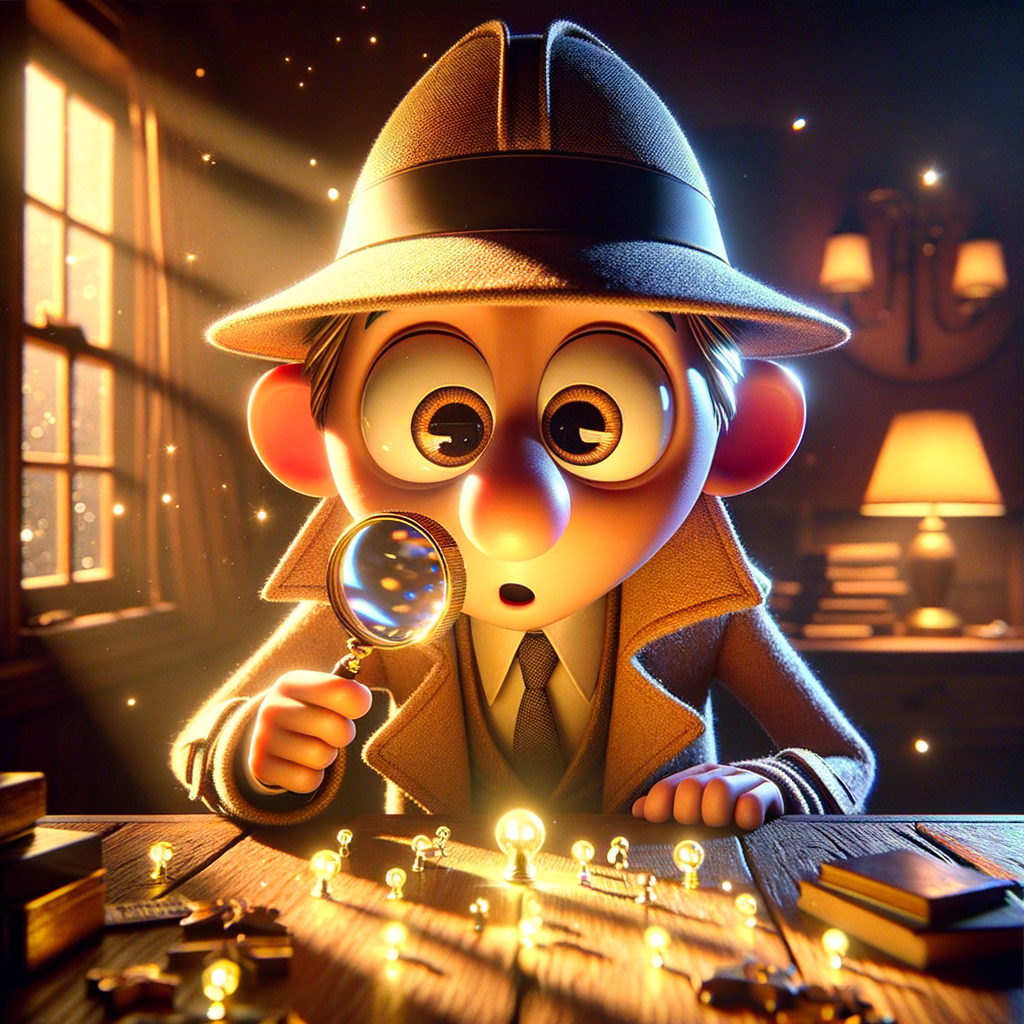
In a mystery plot, the protagonist seeks to uncover the truth behind an unexplained event or crime. This template is perfect for stories that involve suspense and problem-solving.
Key Elements:
- The Mystery: Introduce the puzzle or crime that needs solving.
- The Investigation: Show the protagonist gathering clues and information.
- The Twist: Highlight unexpected developments or revelations.
- The Solution: Reveal the truth and resolve the mystery.
Tips for Young Writers
Encourage children to create their own mysteries by thinking of unusual events or hidden secrets. Use examples like "Nancy Drew" or "Sherlock Holmes" to demonstrate this template.
10. The Pursuit
Understanding The Pursuit
The Pursuit plot is driven by a chase, where the protagonist is either pursuing a goal or being pursued by an antagonist. This template is all about tension and excitement.
Key Elements:
- The Chase: Establish what or who is being pursued.
- The Obstacles: Describe the challenges faced during the pursuit.
- The Climax: Highlight the peak of the chase and confrontation.
- The Resolution: Conclude the pursuit with a satisfying outcome.
Tips for Young Writers
Discuss the excitement of a chase and how it can be used to create suspense. Use examples like "The Incredibles" or "Catch Me If You Can."
Conclusion
Plot templates are invaluable tools that can help young writers organize their thoughts and create compelling narratives. By understanding these essential structures, children can develop their writing skills and unleash their creativity. Encourage your young writers to experiment with different templates and mix elements to create unique stories. For more ways to inspire creative writing, explore our articles on AI Tools for Kids: How Technology Can Spark Creativity and Creative Writing for Kids: 5 Fun Exercises to Try Today.
Encourage your young storytellers to share their creations, and perhaps even start a storytelling club to foster a community of budding writers. Share this article with fellow parents and educators to spread the joy of creative writing and story development.
By integrating these plot templates into your child's writing routine, you'll be setting the stage for a lifetime of imaginative storytelling. Happy writing!
Frequently Asked Questions
How can I effectively teach plot structure to kids?
To teach plot structure to kids, start by introducing them to the basic elements of a story: introduction, rising action, climax, falling action, and resolution. Use engaging activities like storytelling games or visual aids such as plot diagrams to make these concepts relatable. Encourage them to analyze their favorite books or movies to see how these elements are applied in real stories.
What are the best plot templates for elementary students?
Some of the best plot templates for elementary students include the 'Hero's Journey' and the 'Three-Act Structure.' These templates simplify complex storytelling into manageable parts, making it easier for young writers to grasp plot development. Additionally, templates like 'Once Upon a Time' can help students create a clear narrative flow while fostering creativity.
Where can I find plot planning resources for young writers?
You can find plot planning resources for young writers in educational websites that cater to creative writing, such as Scholastic or ReadWriteThink. Look for worksheets, interactive story planners, and printable plot diagrams that can help guide students through the writing process. Libraries also often have books specifically designed to assist young authors in structuring their stories.