
Unlocking Story Writing: Techniques for Young Authors
# Unlocking Story Writing: Techniques for Young Authors Storytelling is a timeless art that captivates minds, ignites imagination, and opens up a world of creativity for young minds. For children age
Storytelling is a timeless art that captivates minds, ignites imagination, and opens up a world of creativity for young minds. For children aged 6-12, storytelling is more than just an activity; it’s a pathway to express themselves, explore new ideas, and develop critical thinking skills. In this guide, we will delve into the techniques that can help young authors unlock their storytelling potential. Whether you're a parent or an educator, these insights will empower you to nurture budding writers with confidence.
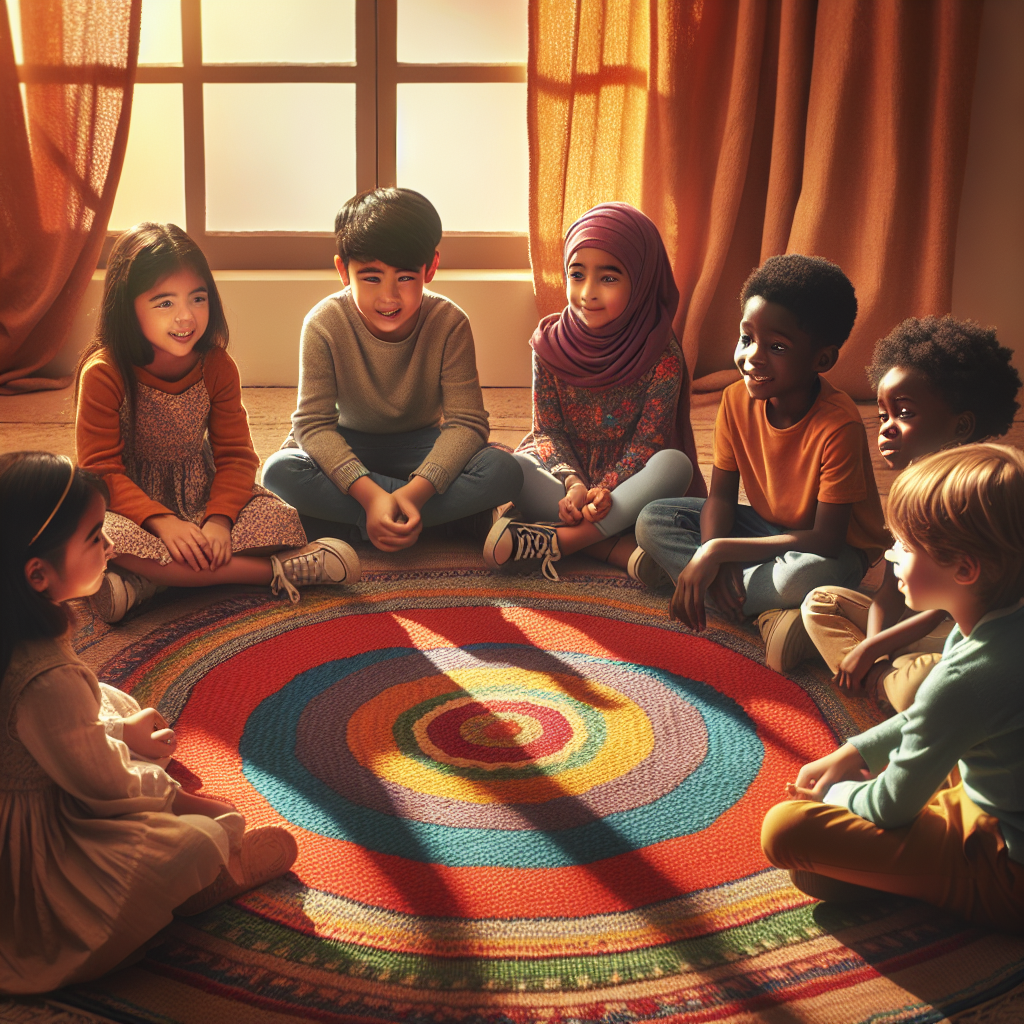
Why Story Writing is Essential for Kids
Story writing is not just an academic skill; it's a tool for personal development. When children engage in creative writing, they learn to articulate their thoughts and feelings, which boosts their communication abilities. Moreover, storytelling encourages empathy as children put themselves in the shoes of their characters, understanding diverse perspectives.
The Benefits of Story Writing
- Enhanced Creativity: Writing stories allows children to explore their imagination, leading to creative breakthroughs.
- Improved Literacy Skills: Regular writing practice enhances vocabulary, grammar, and comprehension.
- Emotional Expression: Storytelling provides a safe outlet for children to express their emotions and ideas.
For a deeper understanding of how storytelling can benefit learning, consider exploring The Power of Storytelling: Learning Through Imagination.
Getting Started: Setting the Scene
Before a child can dive into writing their masterpiece, it's important to set the stage for creativity. This involves creating a conducive environment and providing the right tools.
Creating a Writing-Friendly Environment
- Designate a Writing Space: A quiet, comfortable space with minimal distractions is ideal for writing.
- Supply the Right Tools: Stock up on notebooks, colorful pens, and even digital tools if your child prefers typing.
To see how technology can inspire creativity, check out AI Tools for Kids: How Technology Can Spark Creativity.
Encouraging Brainstorming Sessions
Encourage your child to brainstorm before writing. This can be a fun, interactive session where they jot down ideas, characters, and plot twists. Brainstorming helps organize thoughts and sparks new ideas.
Techniques for Crafting Engaging Stories
Once the groundwork is laid, it's time to dive into the techniques that make stories compelling and relatable.
Developing a Strong Plot
A well-structured plot is the backbone of any good story. Teach your child to outline their story with a clear beginning, middle, and end.
- Beginning: Introduce characters and setting.
- Middle: Present a conflict or challenge.
- End: Resolve the conflict and conclude the story.
For interactive plot development, consider using AI tools as outlined in How to Use AI to Help Kids Write Their First Story.
Building Compelling Characters
Characters are the heart of a story. Encourage your child to create characters that are relatable and dynamic.
- Character Traits: Discuss with your child what makes a character interesting. Are they brave, curious, or mischievous?
- Character Development: Guide them in showing how characters change over the course of the story.
For a more detailed workshop on character creation, visit Developing Characters: A Fun Workshop for Kids.
Incorporating Descriptive Language
Descriptive language is key to bringing stories to life. Teach your child to use vivid descriptions that engage the senses.
Using Similes and Metaphors
- Similes: Comparisons using "like" or "as" can make descriptions more vivid. E.g., "Her smile was as bright as the sun."
- Metaphors: Direct comparisons can add depth. E.g., "The classroom was a zoo."
Encourage your child to experiment with these literary devices to enhance their storytelling.
Overcoming Writer's Block
Writer's block can be daunting, but with the right strategies, it can be overcome.
Techniques to Spark Inspiration
- Writing Prompts: Provide prompts to kickstart creativity. E.g., "Imagine a world where animals can talk. What would happen?"
- Free Writing: Allow your child to write without worrying about grammar or structure for a set time.
For more exercises, explore Creative Writing for Kids: 5 Fun Exercises to Try Today.

Encouraging Revision and Sharing
Writing is a process that involves revising and sharing. Encourage your child to review their work and share it with others.
The Revision Process
Teach your child to read their work aloud, which can help catch errors and awkward phrasing. Encourage them to make changes that enhance clarity and engagement.
Sharing Stories
Encourage your child to share their stories with family or friends. This not only boosts confidence but also provides valuable feedback.
Consider leveraging educational technology to enhance the writing experience, as discussed in Using Educational Technology to Boost Your Child's Writing Skills.
Conclusion: Nurturing a Lifelong Love for Story Writing
Unlocking the world of story writing for young authors is a gift that can last a lifetime. By providing the right tools, techniques, and encouragement, you can help your child develop a love for writing and storytelling. Remember, every great author started with a single sentence—encourage your child to write theirs today.
Encourage your child to embark on this creative journey and watch as their storytelling abilities flourish. Share this guide with other parents and educators to spread the joy of storytelling.
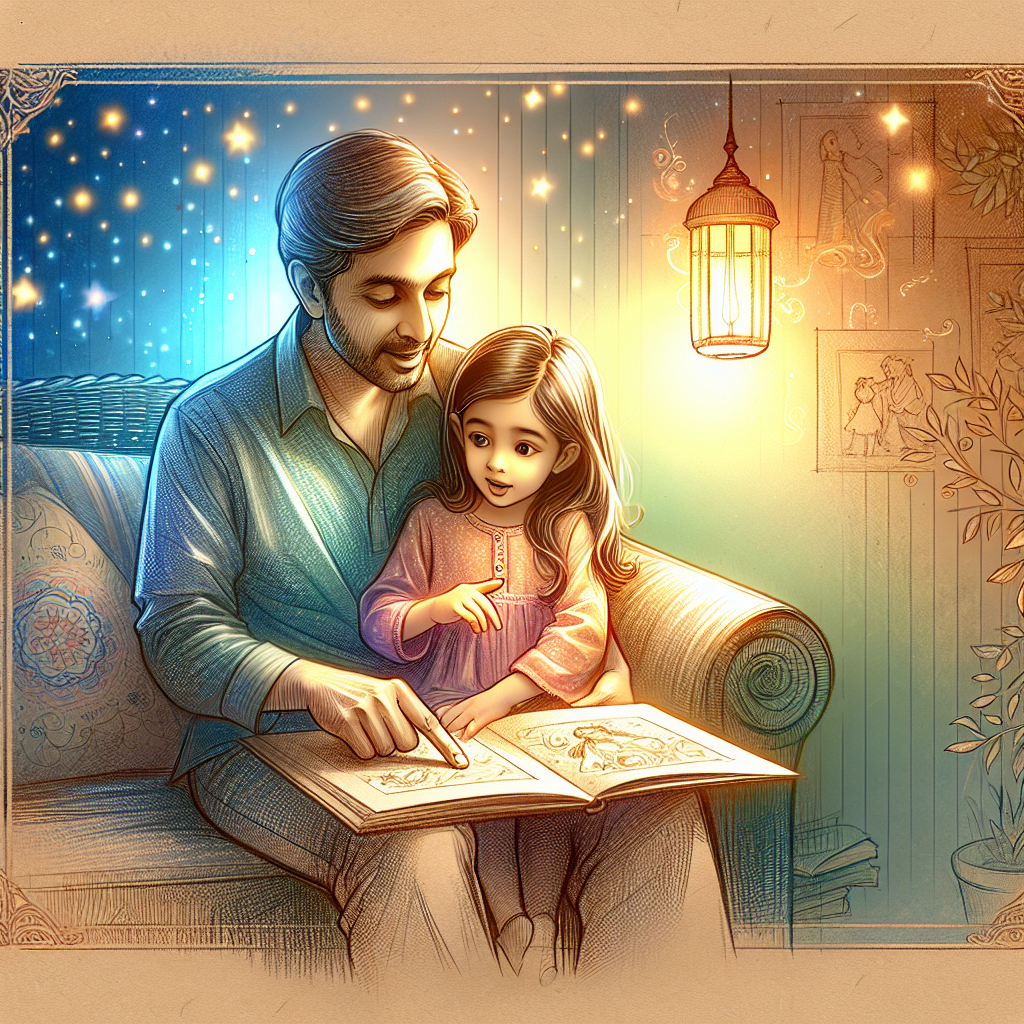
By following these techniques and fostering a supportive environment, you’re not just helping your child write stories; you’re helping them write their own success story. Start today, and see where their imagination takes them!
For more tips and articles on enhancing your child's creative writing skills, explore How AI Can Enhance Your Child's Creative Writing Skills and Benefits of Creative Expression: Why Kids Should Write.