
The Power of Storytelling: Learning Through Imagination
# The Power of Storytelling: Learning Through Imagination In a world dominated by technology and screens, the age-old tradition of storytelling remains a powerful tool for education. The magic of sto
In a world dominated by technology and screens, the age-old tradition of storytelling remains a powerful tool for education. The magic of storytelling lies in its ability to transport young minds into realms of imagination, fostering both creative expression and cognitive development. For educators and parents, understanding the impact of storytelling on children's learning can unlock countless opportunities for growth and discovery.
From ancient tales told around the fire to modern bedtime stories, narratives have always been a cornerstone of human experience. They not only entertain but also teach valuable lessons, cultivate empathy, and inspire creativity. Today, as we delve into the power of storytelling, we'll explore how imagination acts as a gateway to learning, how stories can enhance educational experiences, and practical ways to incorporate storytelling into everyday learning.
The Educational Benefits of Storytelling
Storytelling is more than just a fun activity; it is a multifaceted educational tool that enhances various aspects of learning.
Cognitive Development
Stories engage a child's brain in complex ways. As children listen to stories, they develop language skills, comprehension, and memory. The narrative structure of beginning, middle, and end helps children understand sequencing and logical progression.
- Tip: Encourage children to retell stories they’ve heard. This practice not only reinforces memory but also helps them understand story structure.
Emotional and Social Growth
Stories provide a safe space for children to explore complex emotions and social situations. Through characters and plots, children learn empathy and social skills, understanding different perspectives and emotions.
- Example: Reading stories about friendship can help children navigate their own social interactions by seeing how characters solve conflicts and build relationships.
Imagination and Creativity
At the heart of storytelling is the power of imagination. By engaging with fantastical worlds and characters, children learn to think creatively and expand their horizons beyond the tangible world.
- Parent Tip: Encourage children to create their own stories. This not only boosts their creative skills but also gives them confidence in their abilities to express themselves.
The Role of Imagination in Learning
Imagination is a critical component of learning, allowing children to explore new ideas and concepts in a way that is meaningful and engaging.
Imaginary Play and Problem Solving
Through storytelling and imaginary play, children develop problem-solving skills. They learn to navigate challenges within a story, thinking creatively to find solutions.
- Activity Suggestion: Encourage role-playing based on stories. This active engagement helps children practice decision-making and strategy in a playful context.
Connecting Knowledge and Creativity
Stories can connect various subjects—like history, science, and art—within a creative framework. This interdisciplinary approach helps children see the real-world application of what they learn.
- Educator Tip: Use storytelling to introduce new topics. A story set in the past can make history come alive, while a narrative about a scientific discovery can spark curiosity in science.
Practical Ways to Use Storytelling in Education
Integrating storytelling into education can be both simple and rewarding. Here are some practical methods to harness its power:
Storytelling in the Classroom
Incorporating storytelling in the classroom can transform learning into an interactive and immersive experience.
Interactive Storytelling: Use props, costumes, or digital tools to make stories more engaging. For example, using apps or AI tools for kids can bring stories to life with animations and interactive elements. Read more about how AI Tools for Kids can spark creativity.
Story Circles: Create a story circle where each child contributes a part of the story. This encourages collaboration and active participation.
Storytelling at Home
Parents can create a storytelling-friendly environment at home to encourage learning and bonding.
Bedtime Stories: Use bedtime stories as a routine to wind down and connect. Choose stories that reflect values and lessons you wish to impart.
Create a Story Box: Fill a box with random objects. Let your child pick an item and create a story around it. This activity stimulates creativity and imagination.
Using Technology to Enhance Storytelling
Technology offers innovative ways to enrich storytelling experiences, making them more interactive and engaging.
Digital Storytelling Tools: Utilize platforms that allow children to create digital stories. These tools can encourage writing and creative thinking. Explore how AI can enhance your child's creative writing skills.
AI Writing Assistants: Introduce AI to help kids write their first story. These tools can provide prompts and ideas, making the storytelling process exciting and accessible. Discover how AI can be used to help kids write their first story.
Encouraging Creative Expression Through Stories
Fostering an environment where creativity thrives is essential for children's development. Storytelling is a natural and effective way to nurture this creativity.
Creating a Safe Space for Expression
Ensure that children feel safe to express their ideas without fear of judgment. Celebrate their creativity and encourage them to explore different storytelling styles and genres.
- Tip for Parents and Educators: Praise effort over outcome. Focus on the creative process and the joy of storytelling rather than the finished product.
Storytelling Competitions and Workshops
Organize storytelling events or workshops to motivate children to share their stories. This can boost their confidence and provide a platform to showcase their creativity.
- Example: A school-wide storytelling contest where children present their stories to peers and parents can be an exciting way to encourage participation and recognition.
Conclusion: Unlocking the Power of Stories
The power of storytelling in learning is undeniable. By embracing storytelling, we open doors to imagination, creativity, and understanding. Whether through traditional tales or innovative digital stories, the lessons and experiences gained are invaluable.
For educators and parents, the challenge is to harness this power and integrate it into everyday learning. By doing so, we not only teach children the curriculum but also equip them with skills to navigate and understand the world.
Call to Action: Share your favorite storytelling techniques or experiences in the comments below. How have you seen storytelling impact a child's learning? Let's start a conversation and inspire each other to keep the tradition of storytelling alive.
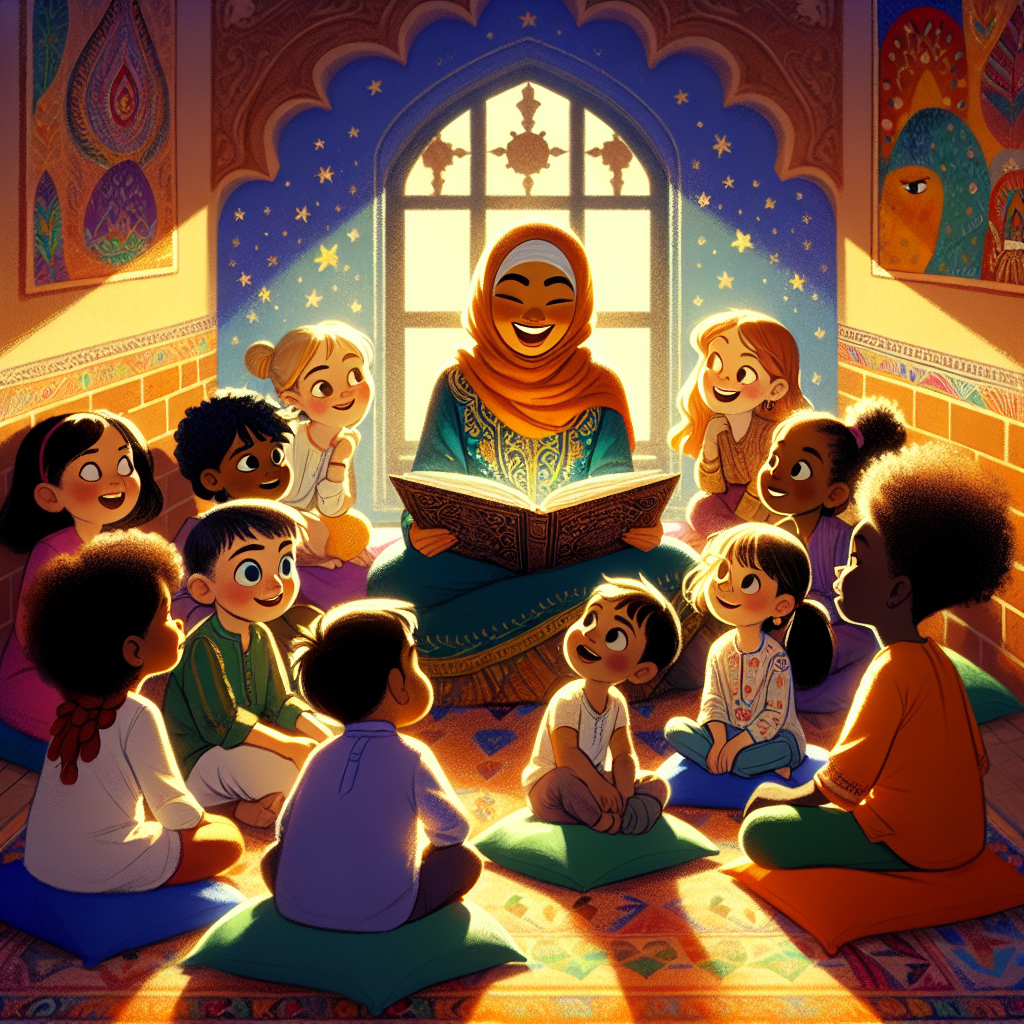
By weaving storytelling into the fabric of education, we nurture not only knowledgeable students but also empathetic and creative individuals ready to shape the future.