Developing Characters: A Fun Workshop for Kids
# Developing Characters: A Fun Workshop for Kids In the magical realm of storytelling, characters are the lifeblood of any narrative. For young writers, crafting vivid, relatable, and engaging charac
In the magical realm of storytelling, characters are the lifeblood of any narrative. For young writers, crafting vivid, relatable, and engaging characters can be both a challenging and delightful experience. This article will guide parents and educators through a fun workshop designed to help kids develop their character creation skills and unleash their creativity. Whether your child dreams of writing the next great novel or simply enjoys spinning tales, understanding the fundamentals of character development is key to their storytelling journey.

Why Character Development Matters
Characters serve as the bridge between the story and the reader. They evoke emotions, drive the plot, and provide a lens through which we experience the narrative world. For kids, developing characters is not just about creating fictional beings; it's an opportunity to explore empathy, understand different perspectives, and enhance their creative expression.
The Role of Characters in Storytelling
Characters are more than just names on a page. They have desires, fears, and personalities that influence their actions and decisions. By focusing on character development, young writers learn to craft stories that are not only engaging but also meaningful. This skill is crucial for writing stories that resonate with readers, as discussed in our article on The Power of Storytelling: Learning Through Imagination.
Building Empathy and Understanding
When kids create characters, they step into the shoes of someone else. This process encourages empathy and helps children understand diverse perspectives. As they learn to develop characters with unique backgrounds, traits, and motivations, they gain insight into the complexities of human nature.
A Step-by-Step Workshop for Kids
Creating characters can be a fun and educational activity for kids. This workshop provides a structured yet flexible framework to guide young writers through the process of character development. Here’s a step-by-step guide to organizing a successful character development workshop for kids.
Step 1: Brainstorming Character Ideas
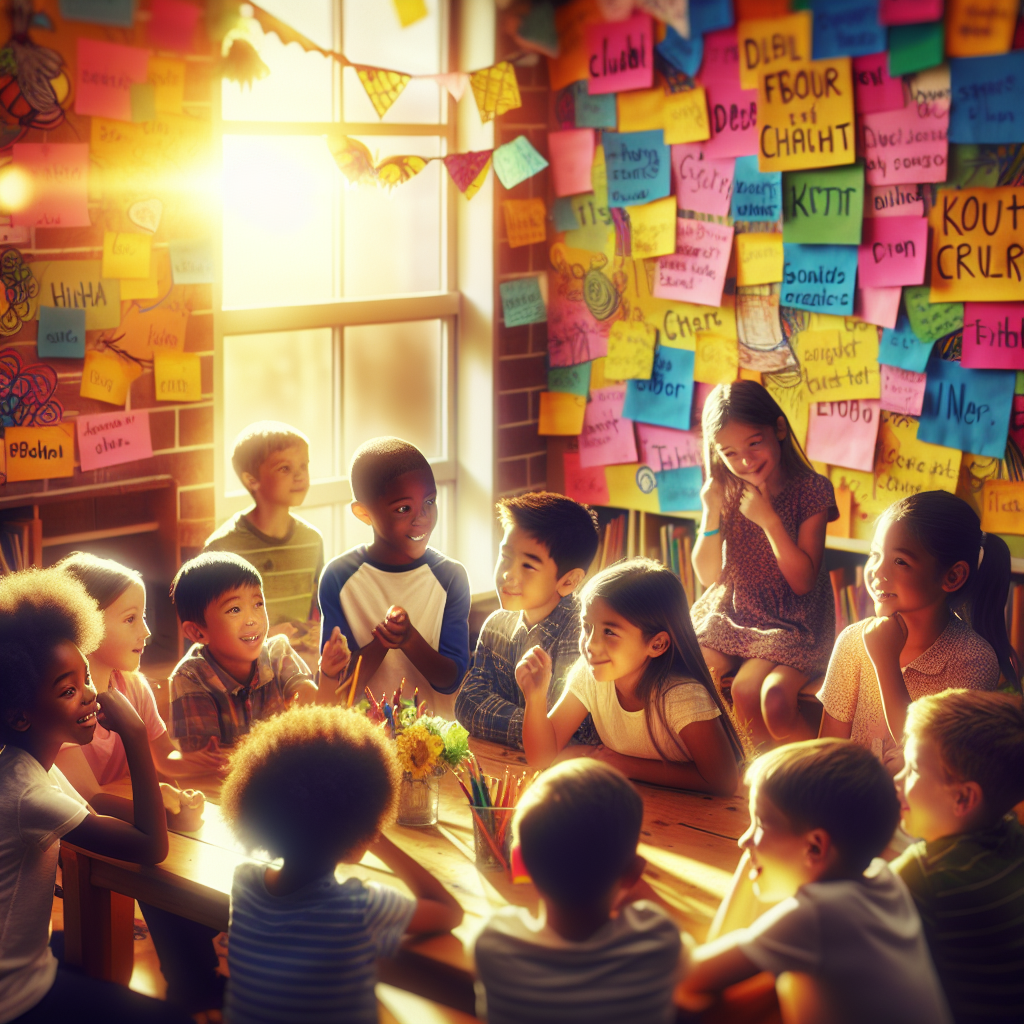
Start by encouraging children to brainstorm character ideas. This can be done through guided questions such as:
- What kind of character do you want to create (hero, villain, sidekick)?
- What are their likes and dislikes?
- What is their biggest dream or fear?
Tips for Effective Brainstorming
- Use visual aids such as character cards or images from magazines to spark imagination.
- Encourage kids to think outside the box and be as creative as possible.
Step 2: Creating Character Profiles
Once the brainstorming session is over, it's time to create detailed character profiles. This step involves fleshing out the character's background, personality, and physical attributes.
Elements of a Character Profile
- Name: Give your character a name that fits their personality and role in the story.
- Age and Appearance: Describe their physical traits, including age, height, hair color, etc.
- Personality Traits: Are they brave, shy, curious, or adventurous?
- Background: Write a brief history of where they come from and what they’ve experienced.
- Goals and Motivations: What drives them? What do they hope to achieve?
Step 3: Bringing Characters to Life
Now that the profiles are complete, it's time to bring these characters to life. Encourage kids to think about how their characters would react in different situations.
Practical Exercises
- Role-Playing: Have children act out scenes with their characters to explore their personalities and reactions.
- Dialogue Writing: Write a short dialogue between two characters to practice voice and interaction.
Step 4: Integrating Characters into a Story
The final step is to integrate the developed characters into a story. This helps children see how their characters fit into a larger narrative and how their traits influence the plot.
Story Writing Prompts
- "Your character finds a mysterious object. What do they do?"
- "Your character meets someone from their past. How do they react?"
For additional resources on using technology to enhance this step, check out How AI Can Enhance Your Child's Creative Writing Skills.
Encouraging Creativity with Technology
Incorporating technology can elevate a child's character development experience. AI tools, such as story generators and character development apps, can provide new perspectives and ideas. Our article on AI Tools for Kids: How Technology Can Spark Creativity offers insights on leveraging these resources to inspire young writers.
Benefits of Using AI Tools
- Idea Generation: Generate fresh character ideas and plot twists.
- Feedback and Improvement: Receive constructive feedback on character profiles and stories.
- Interactive Learning: Engage with digital platforms that make learning fun and interactive.
Conclusion: Unleash Your Child’s Creativity
Developing characters is a foundational skill in storytelling that enriches a child's creative writing journey. By participating in a structured workshop, children not only learn to create compelling characters but also gain valuable life skills such as empathy and problem-solving. Encourage your young writer to explore, imagine, and create with enthusiasm.
If you're interested in further enhancing your child's storytelling abilities, consider exploring How to Use AI to Help Kids Write Their First Story for additional inspiration and tools.
Call to Action
Share this article with fellow parents and educators to inspire the next generation of storytellers. Encourage them to join the conversation about the importance of character development in children's learning. Let’s nurture creativity, one story at a time!