Crafting a Story: Essential Elements for Young Authors
# Crafting a Story: Essential Elements for Young Authors In the vibrant world of children's imagination, stories serve as magical portals to endless adventures and learning experiences. Crafting a st
In the vibrant world of children's imagination, stories serve as magical portals to endless adventures and learning experiences. Crafting a story is an art that allows young authors to express their creativity, develop critical thinking, and enhance their language skills. As parents and educators, understanding the essential elements of storytelling can help guide children through the enchanting process of writing their first tales.
This article will explore the crucial elements of story crafting, providing practical advice and actionable tips to encourage young authors. Whether your child is just starting to write or they're already spinning yarns of fantasy, these insights will support their journey into the realm of creative storytelling.
Understanding the Basics of Storytelling
What Makes a Story?
At its core, a story is a narrative that conveys events, characters, and a plot. For young authors, understanding these basic components is the first step in crafting compelling stories. Encouraging children to identify these elements in their favorite books or movies can be a fun and engaging way to introduce them to the art of storytelling.
The Importance of Story Elements
Story elements such as characters, setting, plot, conflict, and resolution are the building blocks of any narrative. Grasping these concepts helps young authors structure their stories, ensuring they have a clear beginning, middle, and end. This structured approach not only enhances their writing skills but also boosts their confidence as budding authors.

Crafting Engaging Characters
Developing Relatable Characters
Characters are the heart of any story. For young authors, creating relatable and memorable characters is essential. Encourage children to think about their characters' traits, desires, and challenges. This exercise can be a fantastic opportunity to explore character development further in Developing Characters: A Fun Workshop for Kids.
Tips for Creating Unique Characters
Character Sketches: Have your child draw their characters and write down key details about them. What are their likes and dislikes? What are their dreams?
Character Interviews: Conduct a mock interview with your child’s characters. Ask them questions about their life, fears, and aspirations. This technique can help deepen their understanding of character motivations.
Role-Playing: Encourage role-playing to help children step into their characters' shoes, enhancing empathy and insight into different perspectives.
Building a Vivid Setting
The Role of Setting in a Story
The setting provides the backdrop against which the story unfolds. A well-crafted setting not only enriches the narrative but also shapes the characters and plot. Encourage young authors to think about where and when their story takes place.
Creating Immersive Worlds
Sensory Details: Teach children to use sensory details to describe the setting. What does it look, smell, or sound like?
Maps and Illustrations: Creating maps or drawings of the story world can help children visualize the setting, making it feel more real and tangible.
Research and Inspiration: Encourage children to draw inspiration from real-life locations or other books, blending reality with fantasy to create unique settings.
Plotting the Journey
Understanding Plot Structure
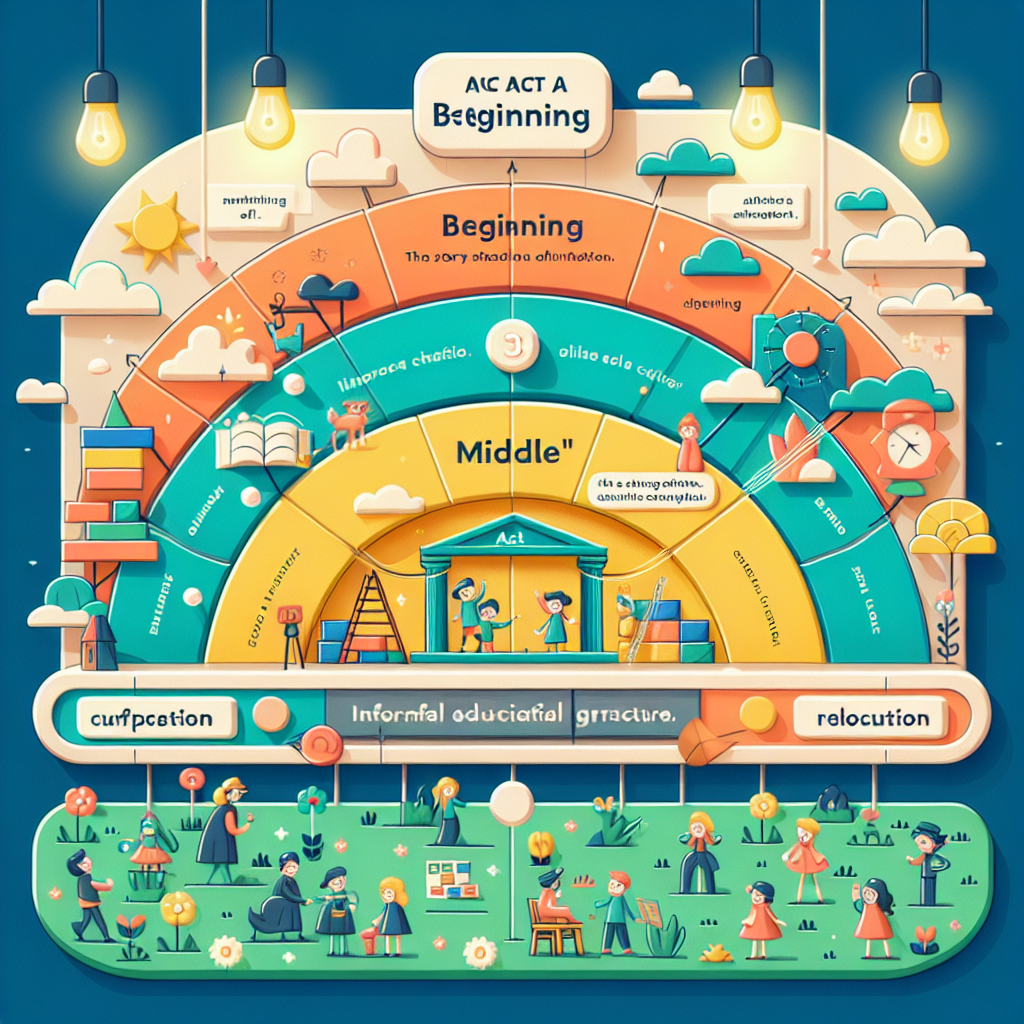
The plot is the roadmap of the story, guiding characters through a series of events. Teaching children about common plot structures, such as the three-act structure, can help them organize their ideas and maintain narrative flow.
Essential Plot Elements
Introduction: Set the stage with an engaging opening that introduces the setting and characters.
Conflict: Introduce a problem or challenge that the characters must overcome. This is the driving force of the plot.
Climax: Build towards a climax where the tension reaches its peak. This is often the most exciting part of the story.
Resolution: Conclude with a resolution where the conflict is resolved, providing a satisfying ending.
Incorporating Conflict and Resolution
The Power of Conflict
Conflict is the engine of storytelling, creating tension and interest. It can be internal (within a character) or external (between characters or forces). Teaching children to incorporate conflict will make their stories more dynamic and engaging.
Resolving the Story
Creative Solutions: Encourage children to think of creative ways to resolve conflicts, promoting problem-solving skills.
Reflective Endings: Discuss the importance of reflective endings that tie back to the story’s themes or character growth.
Open Endings: For advanced young authors, explore the idea of open endings that leave room for interpretation or sequels.
Encouraging Creative Expression
Fostering a Love for Writing
Children should view writing as a joyful and rewarding activity. By fostering a supportive environment, parents and educators can nurture a lifelong love for storytelling.
Positive Feedback: Always provide positive reinforcement and constructive feedback, focusing on the strengths of their stories.
Writing Workshops: Consider enrolling your child in writing workshops or clubs to connect with other young authors and share their work.
Utilizing Technology: Explore how AI Tools for Kids: How Technology Can Spark Creativity can enhance their storytelling skills, offering new avenues for creativity.
Sharing Stories
Encourage your child to share their stories with family and friends. This not only builds confidence but also helps them gain new perspectives on their work. Social platforms and online forums can also provide a broader audience, motivating them to refine their craft.
Conclusion: The Adventure of Storytelling Awaits
Crafting a story is more than just an educational exercise; it's an adventure that empowers young authors to explore their creativity and articulate their thoughts. By understanding the essential elements of storytelling, parents and educators can guide children on this journey, enriching their learning experiences and inspiring them to become confident writers.
As you embark on this creative journey with your child, remember that every story they create is a step toward greater self-expression and learning. Encourage them to explore topics like Creative Writing for Kids: 5 Fun Exercises to Try Today and The Power of Storytelling: Learning Through Imagination to further enhance their skills.
Share this article with fellow parents and educators, and let's inspire the next generation of storytellers together. Encourage your child to pick up their pen (or keyboard) and start writing today—the world of storytelling awaits!