
5-Minute Creative Writing Activities for Busy Parents
# 5-Minute Creative Writing Activities for Busy Parents In the hustle and bustle of daily life, finding time for creative activities can be a challenge, especially for busy parents. However, fosterin
In the hustle and bustle of daily life, finding time for creative activities can be a challenge, especially for busy parents. However, fostering a child's imagination and writing skills doesn't always require hours of dedication. Quick, engaging writing activities can fit seamlessly into your family's schedule and offer a world of benefits, from enhancing creativity to boosting literacy skills. This article provides a treasure trove of 5-minute creative writing activities perfect for children aged 5-10, ensuring that even the busiest parents can nurture their child's creative spirit.
Creative writing is more than just putting words on paper—it's about storytelling, character creation, and exploring new worlds. It's a vital tool in developing a child's cognitive and emotional skills. Moreover, with the advent of technology, there are numerous resources, including AI tools, to make storytelling more accessible and exciting for kids. Let's dive into these quick writing prompts and exercises that will spark your child's imagination and creativity in just a few minutes.
1. The Magic Object
What Is It?
The Magic Object is a quick and fun writing exercise that encourages children to think critically and creatively. This activity involves selecting a random object and imagining its magical properties.
How to Play
- Choose an Object: Pick any object within your reach, such as a spoon, a shoe, or a book.
- Ask Questions: Prompt your child with questions like, "What magical powers does this object have?" or "What adventures has this object been on?"
- Write a Short Story: Encourage your child to spend five minutes writing a short story about the object and its magical properties.

Example
Imagine a spoon that turns anything it touches into chocolate. What might happen if someone accidentally leaves it in the kitchen?
By engaging in this exercise, children will not only practice their writing skills but also enhance their ability to think imaginatively. For more inspiration, consider exploring how AI tools can spark creativity in children.
2. Character Challenges
What Is It?
Character Challenges is an activity that focuses on character development and storytelling. It encourages children to create unique characters and consider their traits, goals, and obstacles.
How to Play
- Character Creation: Ask your child to create a character by selecting traits such as being brave, curious, or mischievous.
- Set a Challenge: Present a challenge for the character, like climbing the tallest mountain or solving a mystery.
- Write the Scene: In five minutes, have your child write a scene where their character faces and overcomes the challenge.

Example
Create a character named "Luna the Brave" who must find her way home through an enchanted forest. What obstacles will she encounter?
This activity not only enhances storytelling skills but also teaches problem-solving. Dive deeper into character creation with our guide on developing characters in a fun workshop for kids.
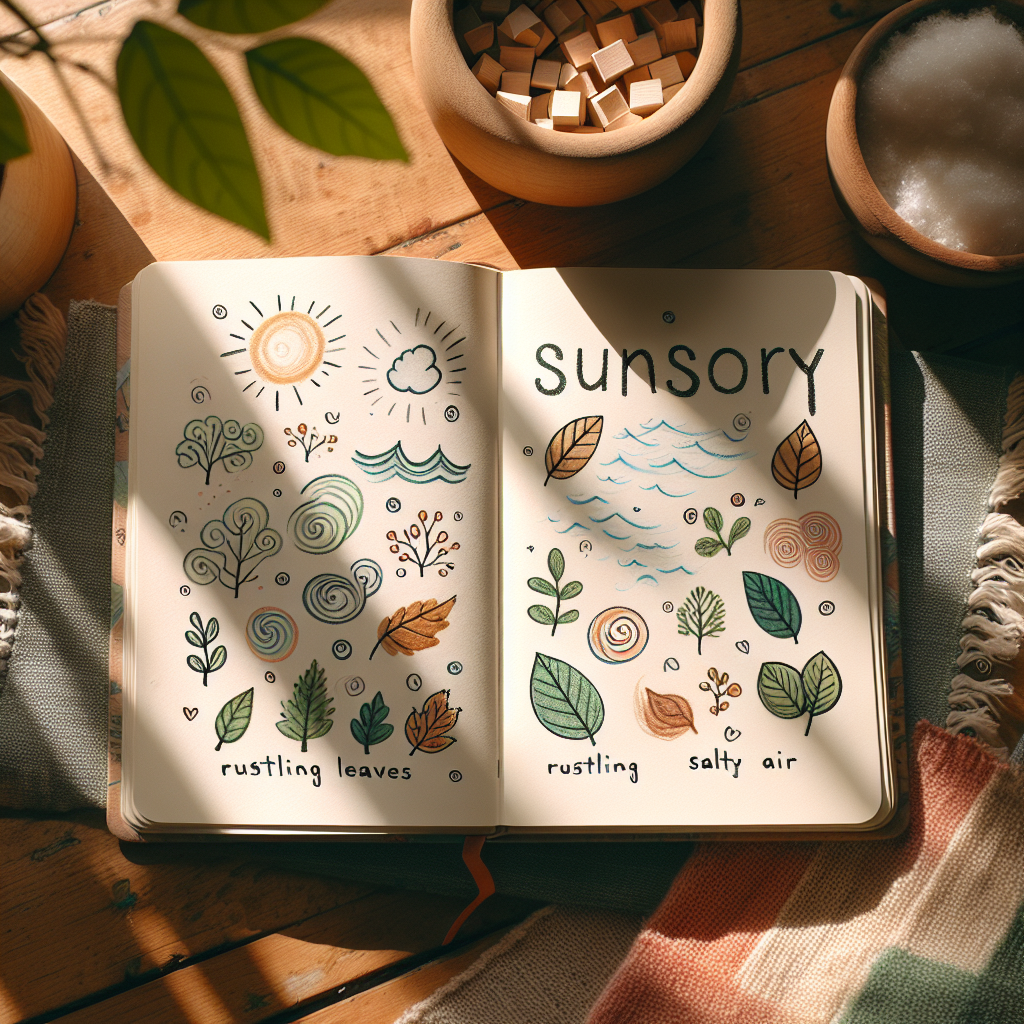
3. The Five Senses
What Is It?
The Five Senses is a sensory writing exercise that encourages children to use descriptive language and explore the world around them.
How to Play
- Select a Scene: Choose a familiar scene, such as a park or beach.
- Describe Using Senses: Ask your child to describe the scene using all five senses: sight, sound, smell, taste, and touch.
- Write a Paragraph: In five minutes, have them write a descriptive paragraph about the scene.
Example
Imagine standing at the edge of the ocean. What do you see? Hear the waves crashing, feel the sand between your toes, smell the salty air, and taste the cool sea breeze.
This exercise helps children enhance their descriptive writing skills, making their stories more vivid and engaging. For an extended exploration, check out storytelling as a tool for learning.
4. Story Cubes
What Is It?
Story Cubes is a dice-based activity that uses icons to inspire storytelling. This activity is perfect for sparking creativity and encouraging spontaneous storytelling.
How to Play
- Roll the Dice: Use story cubes or any dice with icons. If you don't have them, you can draw icons on paper.
- Interpret the Icons: Encourage your child to interpret the icons and think of a story that connects them.
- Write or Tell the Story: Spend five minutes writing or telling a story based on the rolled icons.

Example
You roll a sun, a book, and a star. Perhaps your story is about a book that contains the secrets of the sun and stars!
This activity is great for quick bursts of creativity and can be an excellent way to end the day with storytelling. Learn more about the power of storytelling and its benefits for children.
5. Picture Prompts
What Is It?
Picture Prompts is a visual-based writing activity that encourages children to interpret images and create stories around them.
How to Play
- Select an Image: Choose an intriguing image or photograph.
- Ask Questions: Pose questions like, "What’s happening in this picture?" or "Who are the people, and what are they doing?"
- Write a Story: Let your child write a short story about the image in five minutes.

Example
A picture of a foggy forest with sunlight peeking through might inspire a story about a hidden village where mythical creatures live.
This activity enhances visual literacy and encourages children to draw connections between images and narratives. If you're interested in extending this exercise, consider exploring how AI can enhance your child's creative writing skills.
Conclusion
Creative writing doesn't have to be time-consuming. With these 5-minute activities, busy parents can easily integrate creative writing into their child's routine, nurturing their imagination and storytelling abilities. Whether it's through magic objects, character challenges, sensory descriptions, story cubes, or picture prompts, each activity offers unique ways to engage your child's creativity.
Remember, the key is to make writing fun and pressure-free. Encourage your child to express themselves freely and see where their imagination takes them. For more resources and tips on boosting your child's writing skills, explore our articles on educational technology and the benefits of creative expression.
Share these activities with fellow parents and educators to spread the joy of creative writing. Together, we can inspire the next generation of storytellers!
[CALL-TO-ACTION: Encourage your friends to try these quick writing exercises and share their child's stories with us on social media using #CreativeWritingKids. Let's celebrate creativity together!]