
How to Teach Reading Comprehension: 10 Effective Strategies
# How to Teach Reading Comprehension: 10 Effective Strategies Reading comprehension is a crucial skill that lays the foundation for a child's academic success and lifelong learning. As children betwe
Reading comprehension is a crucial skill that lays the foundation for a child's academic success and lifelong learning. As children between the ages of 7 and 12 transition from learning to read to reading to learn, it's essential to equip them with strategies that enhance their understanding and retention of what they read. Whether you are a parent or teacher, fostering strong reading skills can make a significant difference in a child's educational journey.
In this guide, we'll explore ten effective strategies to improve reading comprehension for kids. These techniques are designed to be engaging and interactive, ensuring that children not only become better readers but also develop a love for reading. We'll also touch on how technology and creative activities, like storytelling and writing, can support these efforts.
1. Encourage Active Reading
Active reading is a dynamic process that involves engaging with the text before, during, and after reading. This strategy helps children think critically about what they read, making it easier to understand and remember the material.
Pre-Reading Activities
Before diving into a text, encourage children to skim through it. Ask them to look at headings, pictures, and captions to predict what the story or article might be about. This sets a purpose for reading and activates prior knowledge.
During Reading
While reading, teach children to highlight or annotate key points. They can jot down questions, make predictions, or note connections to their own experiences. This interaction keeps them engaged and enhances comprehension.
Post-Reading Reflection
After reading, prompt children to summarize the text in their own words. Discuss what they learned, any surprises, and how the reading relates to other topics or their personal lives. These reflections solidify understanding and encourage deeper thinking.
2. Develop Vocabulary Skills
A robust vocabulary is essential for understanding complex texts. Expanding a child's vocabulary can significantly improve reading comprehension.
Word Maps
Create word maps to explore new vocabulary. Start with a new word in the center, and branch out with its definition, synonyms, antonyms, and an example sentence. This visual representation helps children internalize word meanings.
Context Clues
Teach children to use context clues to decipher unknown words. Encourage them to look at surrounding sentences or paragraphs to infer meanings. This skill not only builds vocabulary but also enhances critical thinking.

3. Implement Questioning Techniques
Questioning is a powerful tool in enhancing reading comprehension. It encourages children to think critically and engage more deeply with the text.
Guided Questions
Provide children with guided questions before they start reading. These questions should focus on key themes, characters, and events. As they read, they can look for answers, which keeps them engaged and attentive.
Encourage Curiosity
Foster a culture of curiosity by encouraging children to ask their own questions about the text. This active involvement helps them become more invested in their reading and eager to find answers.
4. Use Graphic Organizers
Graphic organizers are visual tools that help children organize information from a text. They are especially useful for visual learners and can simplify complex information.
Story Maps
For narrative texts, use story maps to outline the plot, setting, characters, conflict, and resolution. This helps children visualize the structure of a story and recall details more easily.
Venn Diagrams
When comparing and contrasting texts or characters, Venn diagrams can be invaluable. They provide a clear visual representation of similarities and differences, aiding comprehension and analysis.
5. Foster a Love for Reading
Instilling a love for reading in children is perhaps the most effective way to improve reading comprehension. When children enjoy reading, they are more likely to engage deeply with texts.
Create a Reading-Friendly Environment
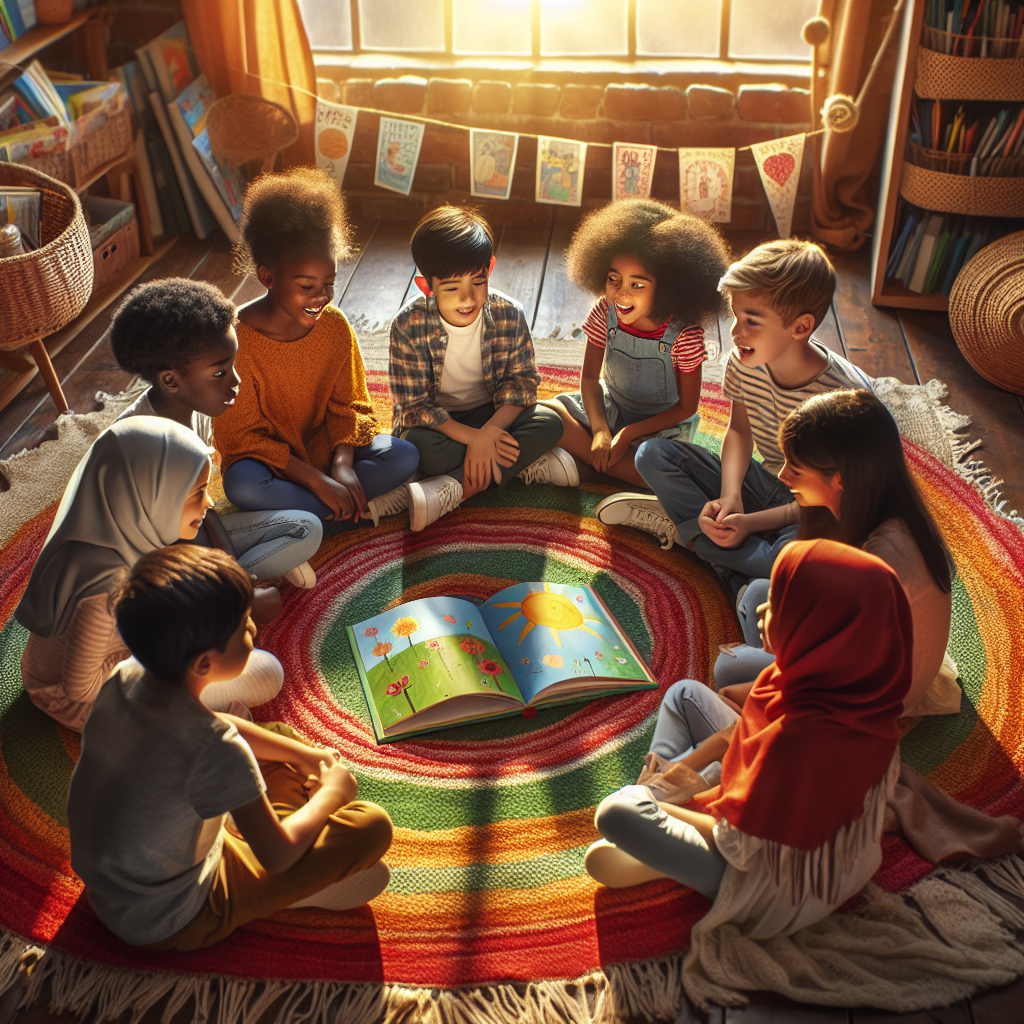
Provide access to a variety of books and create a cozy, inviting reading space. Let children choose what they want to read, as personal interest boosts motivation and engagement.
Book Clubs and Discussions
Organize book clubs or reading groups where children can discuss their favorite books. This social aspect of reading helps them articulate their thoughts and learn from others' perspectives.
6. Integrate Technology and Creativity
In today's digital age, technology can be a powerful ally in teaching reading comprehension. Utilizing AI tools and creative writing exercises can make learning more interactive and fun.
Educational Apps and AI Tools
Explore educational apps and AI tools that offer interactive reading activities and comprehension games. These technologies can provide personalized feedback and adapt to a child's reading level.
For more on how technology can enhance creative skills, see AI Tools for Kids: How Technology Can Spark Creativity.
Storytelling and Writing
Encourage children to create their own stories based on what they've read. This not only reinforces comprehension but also enhances creative expression. For ideas on how to get started, check out Creative Writing for Kids: 5 Fun Exercises to Try Today.
7. Practice Retelling and Summarizing
Retelling and summarizing are crucial skills for demonstrating comprehension. They require children to identify key points and convey them concisely.
Story Retelling
After reading a story, ask children to retell it in their own words. This helps them practice sequencing and understanding narrative structure.
Summarizing Non-Fiction
For non-fiction texts, teach children to identify the main idea and supporting details. Practice summarizing these in a few sentences to enhance retention and understanding.
8. Encourage Diverse Reading Materials
Exposing children to a wide range of genres and formats expands their understanding and appreciation of different writing styles.
Explore Various Genres
Introduce children to fiction, non-fiction, poetry, and graphic novels. Each genre offers unique challenges and learning opportunities.
Multicultural and Diverse Texts
Incorporate books that reflect diverse cultures and perspectives. This not only broadens their worldview but also fosters empathy and understanding.
9. Teach Visualization Techniques
Visualization is a strategy that involves creating mental images based on the text. It enhances comprehension by making abstract concepts more concrete.
Guided Imagery
During reading, pause and ask children to describe what they visualize. Encourage them to imagine the setting, characters, and events vividly.
Drawing and Art
Allow children to draw scenes or characters from the text. This creative expression reinforces their understanding and makes reading more enjoyable.

10. Monitor Progress and Provide Feedback
Regular assessment and feedback are essential for tracking progress and identifying areas for improvement.
Reading Logs
Have children maintain reading logs to track books read and their thoughts on each. This practice encourages reflection and goal setting.
Constructive Feedback
Provide positive and constructive feedback on their comprehension skills. Celebrate their successes and guide them through challenges with encouragement and support.
Conclusion
Improving reading comprehension is a journey that requires patience, creativity, and persistence. By implementing these ten strategies, you can help children develop strong reading skills that will serve them throughout their education and beyond. Remember to keep the process fun and engaging, fostering a love for reading that will last a lifetime.
For more creative ways to support your child's learning journey, explore our articles on The Power of Storytelling: Learning Through Imagination and Developing Characters: A Fun Workshop for Kids. Share this guide with fellow parents and educators to spread the joy of reading and learning.

Try It in Magical Stories
Want your child to practice these ideas with characters and stories of their own? Magical Stories turns creative writing into an interactive adventure.