
Creative Writing Games: 8 Activities to Boost Imagination
# Creative Writing Games: 8 Activities to Boost Imagination In a world increasingly dominated by screens and digital interaction, nurturing a child's imagination through creative writing is more impo
This page is an imagination workshop — eight activities (dialogue duels, five senses, genre mash-up) for home or a long block. It is not a 10-minute classroom run-of-show. For timed classroom games, use Free Writing Games for Classroom Fun.
In a world increasingly dominated by screens and digital interaction, nurturing a child's imagination through creative writing is more important than ever. Engaging children in creative writing games not only enhances their literacy skills but also boosts their ability to think critically and creatively. If you're a parent or teacher looking for dynamic ways to inspire young writers, you've come to the right place. This guide will explore eight engaging creative writing games designed to captivate children aged 7-14, encouraging them to explore the boundless realms of their imagination.
Creative writing games are more than just fun activities; they are essential tools that help children develop their storytelling abilities, enrich their vocabulary, and improve their overall communication skills. They provide a platform where children can express themselves freely and explore different facets of their creativity. So, let's dive into these imaginative writing games that promise not only to entertain but also to educate.
1. Story Starters
What Are Story Starters?
Story starters are prompts that ignite the spark of creativity in young writers. These can be simple sentences or questions that set the stage for a narrative, encouraging children to build a story from scratch.
How to Use Story Starters
Create a Jar of Prompts: Write various story starters on slips of paper and place them in a jar. Let each child draw a slip to spark their story.
Example: "A mysterious door in my backyard leads to..."
Keyword Integration: Encourage children to incorporate certain keywords into their stories. This can be a fun way to teach new vocabulary and ensure that children are thinking creatively.
Example: "Use the words 'enchanted', 'whisper', and 'journey' in your story."
Collaborative Storytelling: In a group setting, children can take turns adding to a story based on a given starter. This helps in developing teamwork and listening skills.
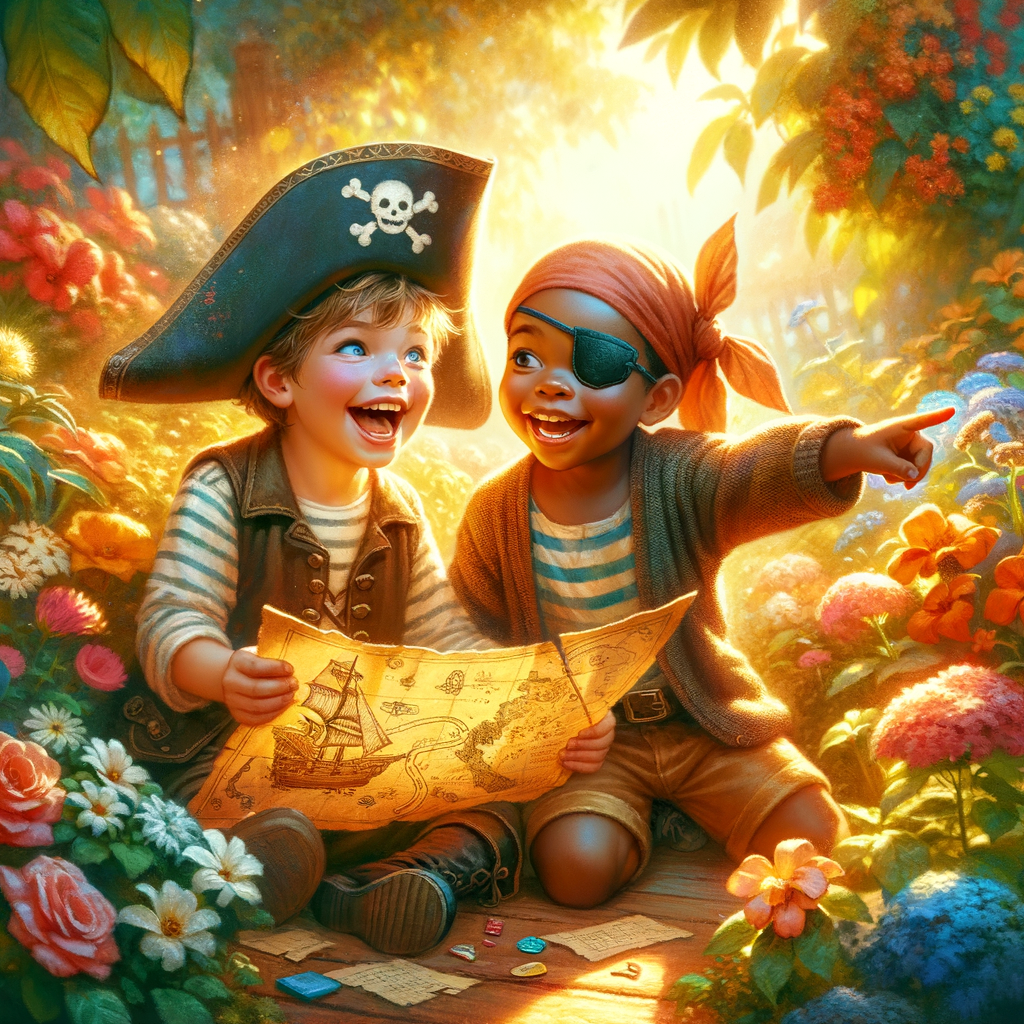
Try It Now: Story Starter Generator
Need inspiration? Use our interactive Story Starter Generator to get a random creative prompt and start writing:
2. Character Creation Workshop
Importance of Character Development
Characters are the heart of any story. By focusing on character creation, children learn to think deeply about personalities, motivations, and emotions, which enrich their narratives. For ready-made character-building stories, see 10 Best Character-Building Stories for Kids.
Steps to Create Unique Characters
Character Profile Sheets: Provide children with templates to fill out details about their characters, such as name, age, likes, dislikes, and backstory.
Role-Playing Games: Let children act out their characters in different scenarios. This not only makes the activity fun but also allows children to understand character dynamics better.
Use Technology: Consider using AI tools to help kids visualize their characters or to generate character ideas. For more insights, check out our article on Developing Characters: A Fun Workshop for Kids.

3. The Magic Box
What is The Magic Box?
The Magic Box is a creative writing game where children are given a box filled with random objects. Their task is to create a story incorporating all the items in the box.
How to Play
Select Items for the Box: Choose a variety of items, such as a feather, a key, a small toy car, etc.
Set the Challenge: Each child picks a few items from the box and crafts a narrative that includes all of them.
Share the Stories: After writing, kids can share their stories with the group. This practice enhances their public speaking skills and builds confidence.
4. Picture Prompts
Visual Stimulation for Creative Writing
Pictures can serve as powerful prompts to stimulate a child's imagination. By interpreting images, children learn to describe scenes vividly and create stories around them.
How to Use Picture Prompts
Select Engaging Images: Choose pictures that are rich in detail and open to interpretation, such as a mysterious forest or a bustling cityscape.
Set Writing Tasks: Ask children to write a story or a descriptive piece based on what they see in the picture.
Combine with Other Media: Encourage kids to use technology by creating digital stories or presentations. Learn more about this approach in our article on Using Educational Technology to Boost Your Child's Writing Skills.

5. Word Association Games
Building Vocabulary Through Play
Word association games are excellent for expanding a child's vocabulary and encouraging them to think quickly and creatively.
How to Play
The Chain Game: Start with a word, and each child must quickly say a related word. This continues until a story emerges from the chain of words.
Example: "Sun" could lead to "beach," then "sandcastle," then "adventure," and so on.
Word Webs: Create a word web on paper, starting with a central theme word, and branching out with associated words. Children can then write a story that uses these words.
Incorporate AI Tools: Utilize AI to suggest complex vocabulary or synonyms to enhance the game. For more on this, read How AI Can Enhance Your Child's Creative Writing Skills.

6. Dialogue Duels
Enhancing Communication Skills
Dialogue duels are a playful way to teach kids how to write and structure dialogue, an essential component of storytelling.
How to Conduct Dialogue Duels
Create Scenarios: Give pairs of children a scenario to act out using dialogue. For instance, "Two friends are arguing about a lost treasure map."
Write the Dialogue: Children write down the dialogue for their scenario, focusing on making it realistic and engaging.
Perform and Reflect: Let the children perform their dialogues for the group, followed by a discussion on what made the dialogue effective.
7. The Five Senses Exercise
Writing with Sensory Details
Encouraging children to use all five senses in their writing helps them create vivid, immersive stories.
How to Implement the Five Senses Exercise
Sensory Journals: Have children keep a journal where they describe their surroundings using all five senses.
Writing Prompts: Provide prompts that focus on sensory experiences, like "Describe the smell and sounds of a bustling marketplace."
Interactive Sessions: Use real objects to stimulate the senses during writing sessions. This can make the experience more engaging and memorable.
8. Genre Mash-Up
Exploring Different Writing Styles
Genre mash-up games encourage children to explore different writing styles by combining elements from various genres into a single story.
How to Play Genre Mash-Up
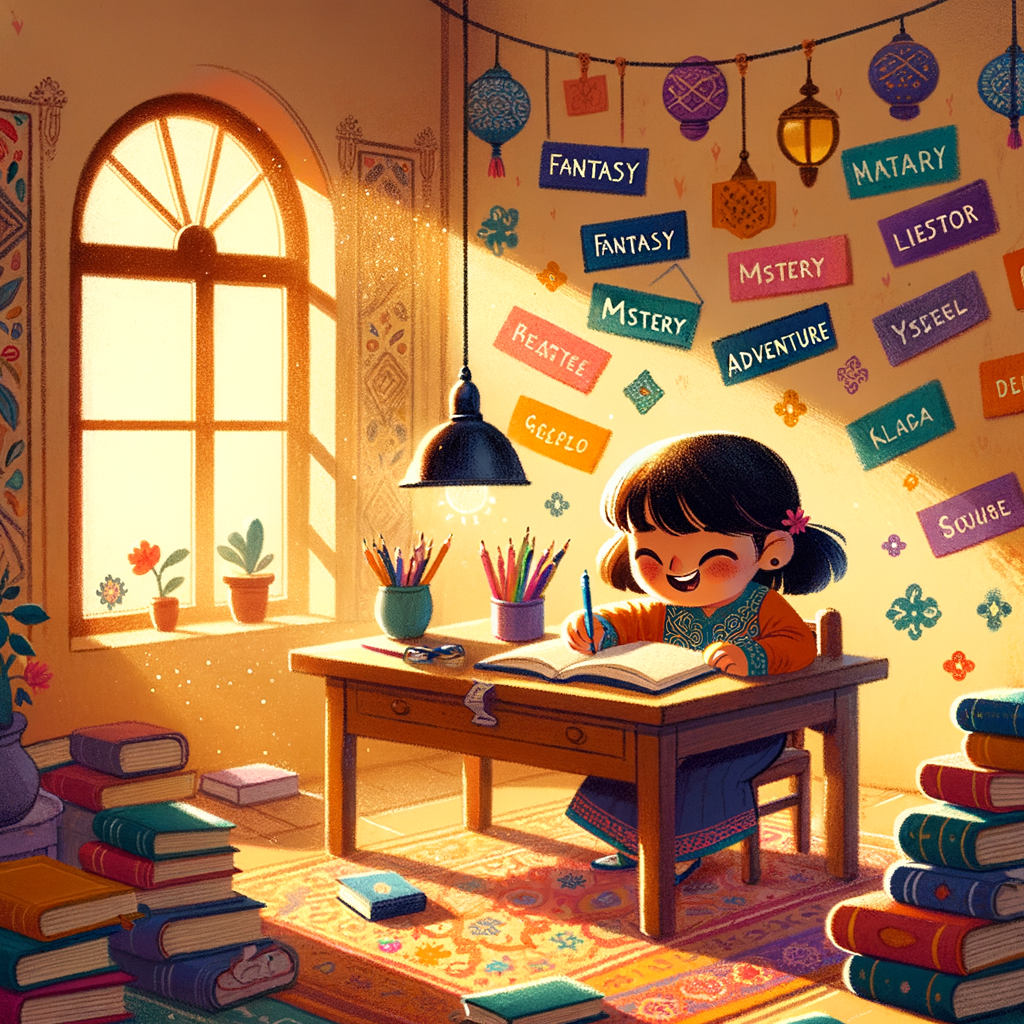
Select Genres: Write down different genres (e.g., mystery, fantasy, sci-fi) on slips of paper. Children pick two or more to combine in their story.
Create Unique Stories: Challenge children to write a story that seamlessly blends the chosen genres. For example, a sci-fi mystery involving time travel detectives.
Discuss Genre Elements: After the activity, discuss the elements of each genre and how they were incorporated into the story.
Conclusion
Creative writing games are a wonderful way to nurture a child's imagination and writing skills. By incorporating these activities into your teaching or parenting routine, you can help children discover the joy of storytelling and the power of their creativity. Whether you're using traditional methods or integrating modern technology, the key is to create a supportive and fun environment that encourages exploration and expression.
Ready to ignite the spark of creativity in young minds? Share these creative writing games with fellow educators and parents, and watch as children's imaginations soar. For more tips and resources, explore our articles on The Power of Storytelling: Learning Through Imagination and Creative Writing for Kids: 5 Fun Exercises to Try Today.
Encourage others to join the conversation by sharing this article on social media and linking back to this valuable resource. Together, let's inspire the next generation of storytellers!
Try It in Magical Stories
Want your child to practice these ideas with characters and stories of their own? Magical Stories turns creative writing into an interactive adventure.